

Sparkling Water Outperforms Coffee for Sustained Concentration, Research Finds
When energy levels dip at work, many reach for coffee or energy drinks like Red Bull for a quick boost. However, a groundbreaking study suggests that sparkling water might provide a more effective and healthier alternative for maintaining focus and alertness throughout the day.
Scientific Study Reveals Cognitive Benefits
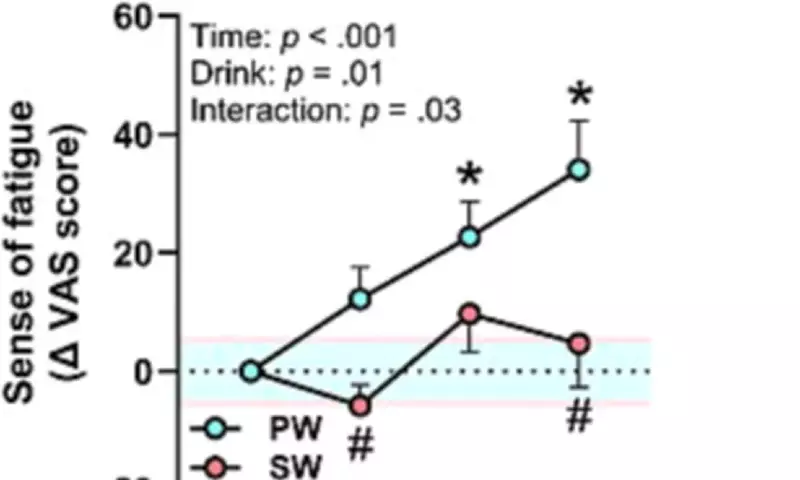
Researchers at the University of Tsukuba in Japan conducted an experiment involving 14 casual gamers who played virtual football for three-hour sessions. In one session, participants drank plain water, while in another, they consumed chilled sparkling water at 4°C. The results were striking: those who drank the fizzy alternative reported significantly less fatigue and greater enjoyment during the task.
Analysis showed that sparkling water was superior at maintaining attention levels and minimizing cognitive fatigue over extended periods. The study, published in Computers in Human Behavior Reports, concluded that this carbonated beverage could serve as a low-risk, sustainable alternative to caffeine- or sugar-based interventions for combating mental tiredness in modern digital life.

Mechanisms Behind the Boost
The researchers measured both subjective reports and physiological indicators. Participants rated their enjoyment and tiredness, while their pupil diameter (a marker of fatigue) and heart rate were continuously monitored. The team found that, compared to plain water, sparkling water:
- Significantly reduced increases in subjective fatigue
- Enhanced enjoyment of the activity
- Preserved executive function
- Prevented pupil constriction associated with tiredness
Interestingly, players also committed fewer in-game fouls when drinking sparkling water, indicating better control and decision-making. The researchers attribute these effects to carbon dioxide in the drink activating sensory receptors in the mouth called transient receptor potential (TRP) channels, which in turn increases brain arousal.
Comparison to Traditional Stimulants
While the study didn't directly compare sparkling water against coffee or energy drinks, the researchers noted important distinctions. Caffeine and sugar, common in energy drinks, are effective for short-term, high-intensity situations like exams or competitive events, but chronic use carries risks of dependence and adverse health outcomes. In contrast, regular consumption of sparkling water presents no reported health risks, being free from both caffeine and sugar.
The scientists emphasized that sparkling water offers a safer, more sustainable method for managing daily cognitive fatigue without the potential downsides of traditional stimulants.
The Science of the Fizz
Previous research has illuminated why carbonated drinks create their characteristic tingling sensation. Contrary to the long-held belief that bubbles bursting on the tongue cause the feeling, studies published in Science reveal that an enzyme on sour taste buds interacts with carbon dioxide to trigger neural signals to the brain.
Dr. Nicholas Ryba from the National Institutes of Health explained that even in pressure chambers where bubbles cannot burst, the sensation remains identical, confirming that the effect is chemically mediated rather than purely physical.
This growing body of research suggests that the humble sparkling water might be more than just a refreshing beverage—it could be a powerful tool for maintaining cognitive performance in our increasingly screen-focused work environments.






