A revolutionary study from Wellesley College in Massachusetts proposes that quantum physics occurring within the human brain could be the source of consciousness, challenging decades of established scientific theory. The research suggests this quantum mechanism might enable our awareness to connect with consciousness across the globe and throughout the universe.
Quantum Consciousness Hypothesis
Experts argue that traditional neural connections cannot fully account for our awareness of existence. Instead, they point to quantum phenomena where particles exist in multiple states simultaneously. This framework, they claim, naturally explains how consciousness could hypothetically link individuals to broader universal awareness.
Experimental Evidence from Rat Studies
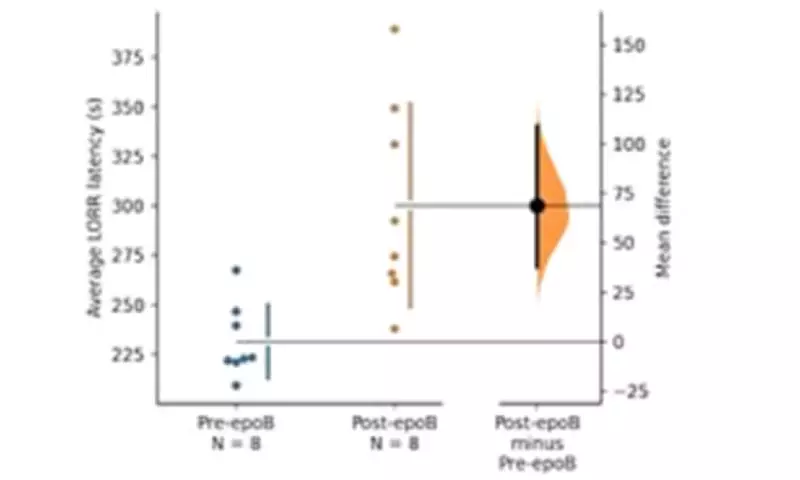
Researchers conducted experiments investigating how anesthesia affects brain function. They administered a drug that attaches to microtubules—tiny neural structures—in rats before exposing them to anesthetic gas. Remarkably, these rats took significantly longer to lose consciousness compared to normal conditions.

This delay suggests the drug interfered with anesthesia's typical mechanisms. Since conventional explanations fall short, Professor Mike Wiest, the study's author, believes these results support the quantum consciousness hypothesis. "When it becomes accepted that the mind is a quantum phenomenon, we will have entered a new era in our understanding of what we are," Wiest stated.
Quantum Environment in the Brain
A separate 2024 study indicated that myelin—the fatty insulating layer surrounding nerve fibers—might provide an ideal environment for quantum processes. However, this theory faces skepticism from many scientists who note that quantum effects have primarily been observed under extremely cold laboratory conditions, not within warm biological systems.
Consciousness Beyond Death
Recent complementary research from Arizona State University suggests consciousness might persist beyond traditional definitions of death. A comprehensive review of dozens of studies revealed that approximately 20 percent of heart attack survivors recall conscious experiences during periods when their brains had stopped functioning.
Brain recordings in dying humans and animals document activity surges surpassing normal waking levels. Some patients experiencing complete circulatory standstill later demonstrated implicit recall of their surroundings. "Biological death is not immediately irreversible," explained researcher Anna Fowler. "Emerging evidence suggests that biological and neural functions do not cease abruptly."
Redefining Death as a Process
Fowler presented these findings at the American Association for the Advancement of Science conference, arguing that death unfolds as a gradual process rather than an instantaneous event. "Elements of consciousness may briefly exist beyond the measurable activity of the brain," she stated, suggesting death might be "a negotiable condition" rather than an absolute endpoint.
Future Research Directions
Professor Wiest's research, published in the journal eNeuro, concludes with optimism about future "conclusive experimental tests of the quantum consciousness hypothesis." If validated, this quantum understanding could fundamentally transform our comprehension of consciousness and our relationship to the universe.
Wiest emphasized that this perspective "gives us a world picture in which we can be connected to the universe in a more natural and holistic way." The combined research from both institutions suggests we may be on the verge of paradigm-shifting discoveries about the nature of awareness, existence, and what happens when life apparently ends.