Your Pub Drink Choice Reveals Personality Traits, Study Finds
When you step into a pub and order your favourite beverage, whether it's a glass of wine, a whisky on the rocks, or a shot of tequila, you might be revealing more about your personality than you realise. According to a comprehensive new study from the University of Evansville, the alcoholic drinks people prefer are strongly linked to specific personality traits and social perceptions.
Clear Patterns in Drink Associations
Researchers conducted four separate studies involving 429 participants to investigate the cultural themes and moods people associate with different types of alcohol. Lead author Dr Logan Pant explained that until now, these associations remained largely unclear despite pubs and bars offering hundreds of drink options ranging from low-alcohol beers to potent spirits.
The findings revealed unmistakable patterns:

- Wine was consistently associated with elegance, class, refinement, and sophistication
- Whisky elicited words including strong, rugged, confident, and masculine
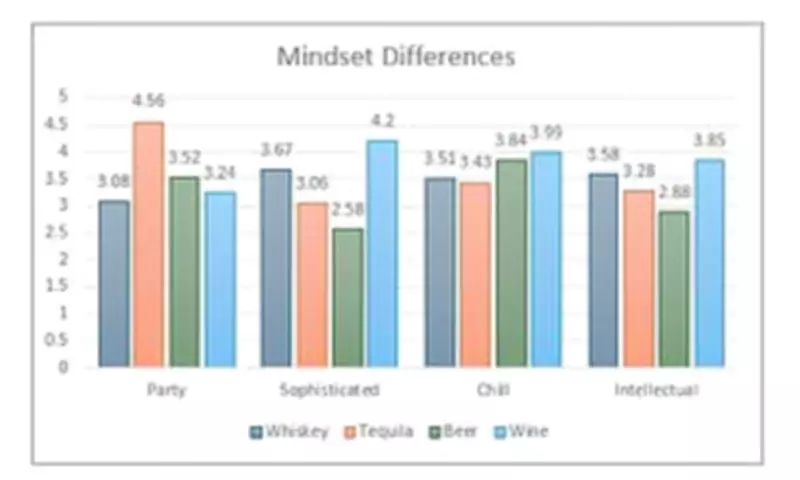
- Tequila was linked to fun, wild, celebration, and party atmospheres
Dr Pant emphasised that participants did not consume any alcohol during the studies, allowing researchers to isolate the learned associations these drinks evoke separately from alcohol's physiological effects.
How Associations Influence Behavior
The research suggests that these learned associations for different alcoholic drinks can significantly influence how people feel, which in turn might shape their intentions, choices, and social expectations. For instance, simply thinking about tequila prompts what researchers describe as a 'party' mindset that could influence how a person plans their evening and what decisions they make.
'Learned associations for different alcoholic drinks can influence how people feel, which in turn might shape their intentions, choices and social expectations,' Dr Pant explained in an article for The Conversation.
Research Methodology and Future Implications
In the first two studies, researchers asked participants open-ended questions about the words they associate with different types of alcohol. 'These studies helped us identify common cultural associations, which we call “learned associations,” or ideas people develop through experience and cultural exposure,' Dr Pant noted.
The subsequent studies randomly assigned participants to think about wine, whisky, or tequila before asking them which qualities they associated with each drink. The team hopes these findings will spark further research on the subject.
'Future research could examine how these associations form in different social contexts, how they vary across age groups or cultures, and how interventions might shift them to further reduce risky behaviors and encourage safer, more responsible alcohol consumption,' Dr Pant said.
Practical Applications for Public Health
The researchers believe there could be significant real-life implications from understanding these drink associations. 'A better understanding of these associations could help public health campaigns promote moderation and responsible drinking, such as pacing drinks, staying hydrated and avoiding overconsumption,' Dr Pant added.
This research provides valuable insights into how cultural perceptions of alcoholic beverages develop and how they might influence drinking behaviors in social settings. As pubs continue to serve as important social venues, understanding these psychological associations could help create more effective strategies for promoting responsible alcohol consumption.