New research has identified several sleep characteristics in infants that could serve as early indicators for autism spectrum disorder. Scientists from the University of East Anglia have discovered that specific sleep patterns in babies with heightened likelihood of autism may predict later diagnosis.
Five Key Sleep Attributes Linked to Autism
The comprehensive study pinpointed five distinct sleep factors that could signal autism development: shallow deep sleep, disrupted deep sleep in noisy environments, continued brain reaction to noises during deep sleep, shallow sleep even in perfect silence, and heightened sensory sensitivity. These traits collectively represent sensory reactivity, which researchers found fundamentally alters how an infant's brain processes sleep.
Research Methodology and Findings
The research team monitored 44 babies aged eight to eleven months during daytime naps, examining their brain waves in both quiet conditions and with gentle background sounds. Before the naps, parents completed detailed questionnaires about their babies' everyday behaviors, including reactions to loud sounds, unexpected touch, and common household noises.

Dr Anna de Laet, the study's lead author, explained: "These sensitivity traits don't guarantee autism development, which we cannot reliably diagnose before age three, but they help us understand how early sensory differences might shape sleep patterns in infancy."
Sensory Sensitivity and Sleep Quality
Babies who displayed sensory sensitivity during waking hours demonstrated less restorative sleep even in perfect silence. The research revealed that infants easily startled or sensitive to sounds during the day exhibited lighter, less restorative sleep, particularly when background noise was present. This suggests their brains struggle to disconnect from environmental stimuli during sleep.
The study, published in the journal Sleep, found that highly sensitive babies produce fewer slow waves - the brain oscillations that block out external stimuli - leaving them more vulnerable to disturbance even in ideal conditions. Across all participants, naps were shorter when sounds were played, averaging 50 minutes compared to 62 minutes in silence, with this effect being more pronounced in sensitive infants.
Brain Activity Measurements
Researchers measured multiple aspects of brain activity during sleep, including:
- Slow waves that facilitate deep, restorative sleep
- Sleep spindles that act as noise-blocking shields
- K-complexes that prevent awakening from light sleep
Sensitive babies showed significant reductions in all these protective mechanisms, particularly when exposed to environmental noise. While they didn't experience more frequent awakenings, their brains struggled to enter fully disconnected sleep states throughout the entire nap duration.
Clinical Implications and Future Applications
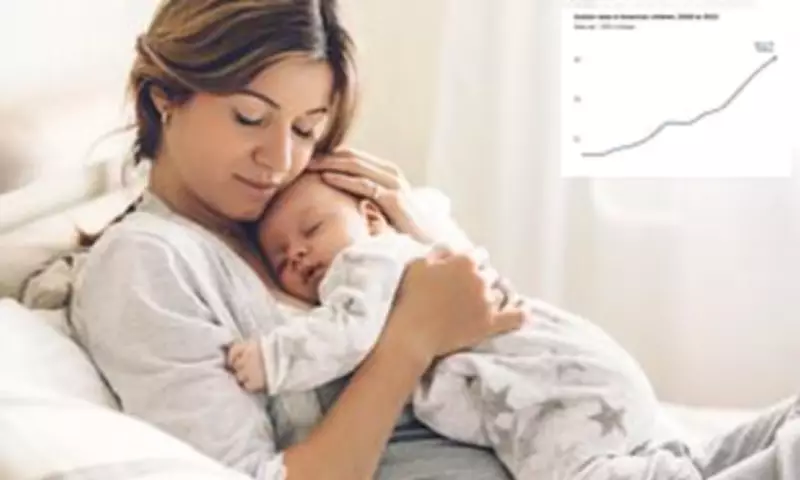
With approximately one in 31 children in the United States diagnosed with autism spectrum disorder, and most diagnoses occurring around age four despite potential detection as early as 18 months, this research offers promising avenues for earlier identification. Since autism diagnosis relies on behavioral observation rather than laboratory tests, and many children don't show clear signs until later development, sleep pattern analysis could provide valuable early indicators.
Dr Teodora Gliga, a psychologist at the University of East Anglia, noted: "Reducing noise may help particularly sensitive babies, but it's insufficient alone. Their sleep remained shallower even in quiet environments. Understanding these differences is crucial for providing better support to families, as quality sleep is essential for brain development and emotional wellbeing."
The research highlights that both sensory differences and sleep difficulties typically emerge before more recognizable autism traits, such as social or communication delays, become apparent. This understanding could help identify children who might benefit from early intervention strategies, potentially before other diagnostic characteristics manifest.