

Ancient Epic Poem Discovered in Mummy's Gut
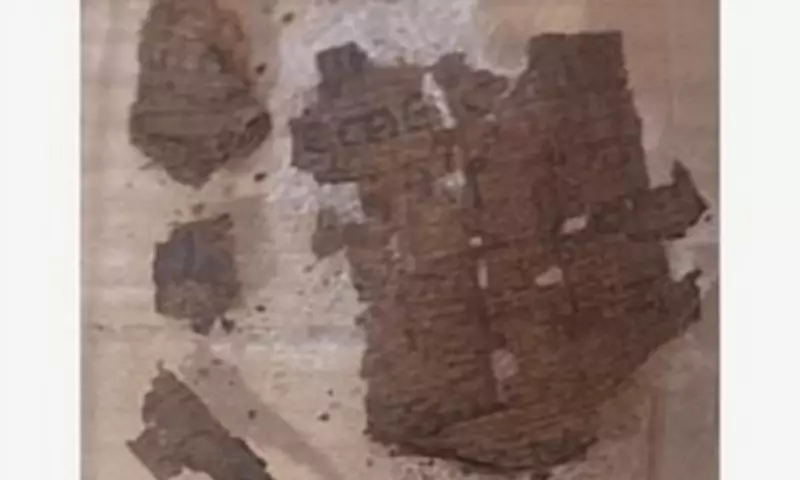
In a groundbreaking archaeological find, a fragment of Homer's Iliad, the cornerstone of Western literature, has been discovered inside the gut of an Egyptian mummy dating back 1,600 years. This marks the first instance of a Greek literary text being incorporated into the mummification process, shedding new light on ancient funerary practices.
Unearthing the Papyrus in Oxyrhynchus
The discovery was made in a Roman-era tomb in the ancient Egyptian city of Oxyrhynchus, located 118 miles (190km) south of Cairo in what is now known as Al-Bahnasa. Researchers from the University of Barcelona and the Institute of Ancient Near East Studies found the papyrus during an excavation campaign between November and December 2025. The fragment was placed in the abdomen as part of the embalming ritual, which involved dehydrating the body with natron salt and wrapping it in linen for protection.
While previous excavations at Oxyrhynchus have uncovered Greek papyri in mummies, these contained magical or ritualistic content. Professor Ignasi-Xavier Adiego from the University of Barcelona noted, 'This is not the first time we have found Greek papyri, bundled, sealed, and incorporated into the mummification process, but until now, their content was mainly magical. The real novelty is finding a literary papyrus in a funerary context.'

Details of the Iliad Fragment
The papyrus fragment was found within 'Tomb 65,' part of a funerary complex with three limestone chambers containing Roman-era mummies and decorated wooden sarcophagi, many damaged by past looting. Closer inspection revealed the text details a list of ships, linking it to Book II of the Iliad, which lists Greek contingents that sailed to Troy. Dating back to 800 BC, the Iliad focuses on the Trojan War and the hero Achilles, exploring themes of pride, honour, and fate.
Researchers are uncertain why this specific text was chosen for preservation. The find highlights the blend of Egyptian, Greek, and Roman customs in Roman-era mummification at Oxyrhynchus, where priests preserved bodies for over 40 days instead of the traditional 70, often filling them with textiles rather than removing organs.
Broader Archaeological Context
Oxyrhynchus has yielded numerous significant discoveries, including 52 mummies over 2,000 years old, 13 of which had gold tongues and fingernails symbolising preparation for the afterlife. Other artifacts found include:
- A heart scarab in its original position
- Amulets with figures of Egyptian deities like Horus, Thoth, and Isis
- A terracotta figurine of the god Harpocrates
Ancient Egyptians believed gold had divine, magical powers, with ornate tongues intended to help the dead speak with Osiris, the god of the underworld. Additionally, long-lost papyrus scripts from the site include hangover cures, plays about Moses, and a doctor's report on a drowned slave girl, some featuring spells for love, sex, and power.
Historical Significance of Homer and the Iliad
Homer, traditionally regarded as the earliest known Greek epic poet, is credited with composing the Iliad and the Odyssey. Believed to have lived in the late 8th or early 7th century BC, his works originate from an oral storytelling tradition. The Iliad centres on Achilles' anger during the Trojan War, culminating in emotional moments like Hector's death and Priam's grief. This discovery underscores the enduring cultural impact of Homer's epics, even in ancient funerary rituals far from Greece.






