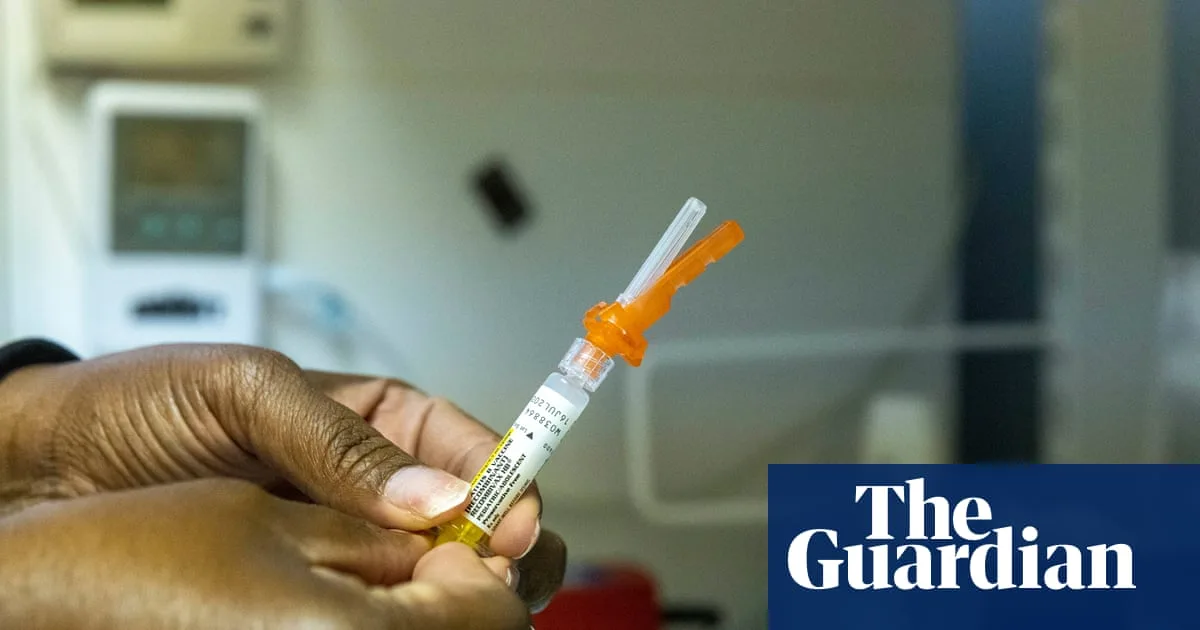
The government of Guinea-Bissau has suspended a controversial US-funded study on hepatitis B vaccination, pending a review by experts from the Africa Centres for Disease Control and Prevention (Africa CDC). The decision, confirmed by Health Minister Quinhin Nantote on Thursday, has sparked a dispute with US health officials, who maintain that the trial will proceed as planned.
Nantote, a military doctor appointed after a recent coup, told journalists that the trial had been “cancelled or suspended” because the science had not been properly reviewed. At his request, a team from the Africa CDC will travel to Guinea-Bissau to help review the study. Officials from Denmark and the US have also been invited to participate.
The study, led by Danish researchers, aimed to give hepatitis B vaccines to 7,000 infants at birth and withhold them from another 7,000 until six weeks of age, to assess overall health effects. Critics argue the design was unethical, as the World Health Organisation recommends vaccinating all newborns within 24 hours of birth. Nearly one in five adults and about 11% of young children in Guinea-Bissau carry the virus.
Africa CDC director-general Jean Kaseya emphasised that the decision to pause the trial was a matter of national sovereignty. “It’s the sovereignty of the country,” he said. However, a spokesperson for the US Department of Health and Human Services (HHS) claimed the trial would go ahead and dismissed the Africa CDC as a “powerless, fake organisation”. Kaseya said senior HHS officials had been unaware of that statement.
Global health experts have voiced support for Guinea-Bissau’s move. Nigerian doctor Abdulhammad Babatunde stressed the importance of funding research that Africans want, rather than using children as “lab rats”. The outcome of the review will determine whether the study can resume in a revised form.