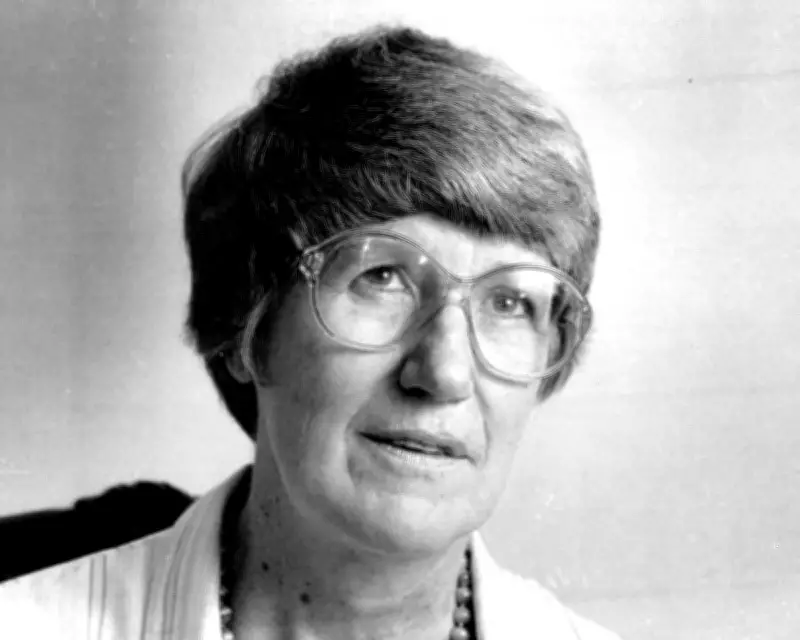
Dame Bridget Ogilvie, a pioneering British parasitologist whose research revolutionised understanding of how the immune system responds to parasitic worms, has died at the age of 88.
Early Life and Education
Born in 1938 in Sydney, Australia, Ogilvie moved to the UK in the 1960s to pursue a career in science. She studied at the University of Sydney before completing a PhD at the University of Cambridge.
Scientific Career
Ogilvie's work focused on the immunology of nematode infections, particularly how the body mounts defences against these parasites. Her research at the National Institute for Medical Research (NIMR) in London demonstrated that antibodies could block the feeding of parasitic worms, leading to their expulsion from the gut.

She later became the first female director of the Wellcome Trust, one of the world's largest biomedical research charities, serving from 1991 to 1998. Under her leadership, the trust expanded its funding for public engagement with science and supported major initiatives in genomics and tropical medicine.
Awards and Honours
Ogilvie was appointed Dame Commander of the Order of the British Empire (DBE) in 1998 for services to science. She also held numerous honorary degrees from universities including Cambridge, Oxford, and University College London.
Legacy
Colleagues remember her as a tireless advocate for women in science and a mentor to many young researchers. Her work laid the foundation for modern approaches to combating parasitic diseases that affect billions of people worldwide.
She is survived by her husband, two children, and four grandchildren.