Cats Could Hold Key to Cancer Breakthroughs, New Research Suggests
Household cats may provide crucial insights into understanding and curing cancer, according to a groundbreaking new study. Scientists have conducted the first-ever large-scale genetic analysis of multiple cancer types in felines, uncovering genetic changes that could pave the way for treatments in both humans and animals.
Shared Environments and Genetic Parallels
By examining tumours from nearly 500 pet cats across five countries, researchers discovered that the mechanisms driving cancer formation in cats are remarkably similar to those in humans. This includes notable parallels between feline mammary cancers and human breast cancers. Since cats share the same living spaces as their owners, they are exposed to identical environmental cancer risks, suggesting that some causes may be common between species.
Professor Geoffrey Wood from the University of Guelph in Ontario emphasised this point, stating: 'Our household pets share the same spaces as us, meaning that they are also exposed to the same environmental factors that we are. This can help us understand more about why cancer develops in cats and humans, how the world around us influences cancer risk, and possibly find new ways to prevent and treat it.'

Unprecedented Genetic Profiling
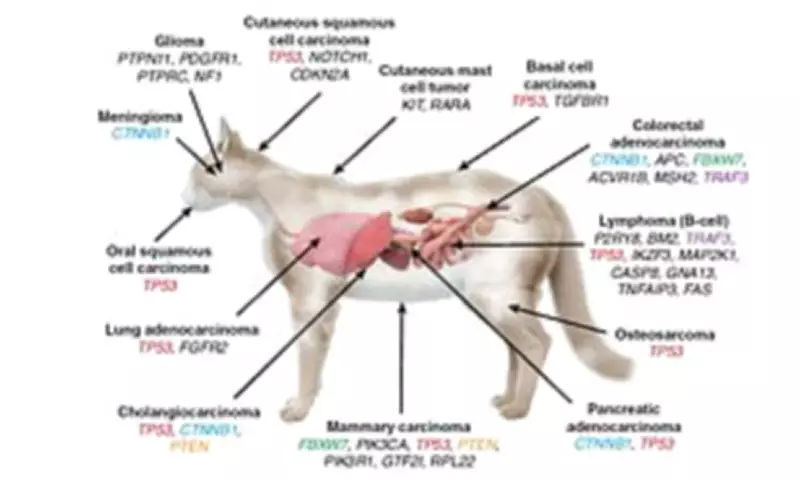
Cancer remains a leading cause of illness and death in cats, yet little is known about its development. This study marks the first time cat cancer tumours have been genetically profiled on such a large scale. Researchers, including teams from the Sanger Institute, analysed around 1,000 human cancer-associated genes in both tumour and healthy tissue samples from the cats, covering 13 different cancer types.
The findings revealed that genetic changes driving cancer in domestic cats often mirror those in humans. For instance, in feline mammary carcinomas—a common and aggressive cancer—seven driver genes were identified. The most prevalent was FBXW7, altered in over 50% of cat tumours. In humans, changes in this gene are linked to worse prognosis in breast cancer, echoing the feline data.
Potential Therapeutic Avenues
Intriguingly, the study found that certain chemotherapy drugs were more effective in cat mammary tumours with FBXW7 mutations, though this requires further investigation. The second most common driver gene, PIK3CA, was seen in 47% of cat mammary carcinoma tumours and is also found in human breast cancer. Similarities extended to other cancers, including blood, bone, lung, skin, gastro-intestinal, and central nervous system tumours.
Bailey Francis, co-first author at the Wellcome Sanger Institute, highlighted the cross-species benefits: 'By comparing cancer genomics across different species, we gain a greater understanding of what causes cancer. One of our major findings was that the genetic changes in cat cancer are similar to some that are seen in humans and dogs. This could help experts in the veterinary field as well as those studying cancer in humans, showing that when knowledge and data flows between different disciplines, we can all benefit.'
Future Implications and Precision Oncology
The research, published in the journal Science, opens new doors for precision oncology. Dr Louise Van Der Weyden, senior author at the Wellcome Sanger Institute, noted: 'This is one of the biggest ever developments in feline oncology and means the genetics of domestic cat tumours are no longer a 'black box'. We can now begin to take the next steps forward towards precision feline oncology, to catch up with the diagnostic and therapeutic options that are available for dogs with cancer, and ultimately one day, humans.'
Future studies exploring these genetic changes could lead to novel therapies for cancers across species, offering hope for millions affected by the disease. With almost a quarter of UK households owning at least one cat, this research underscores the vital role pets play in advancing medical science.