

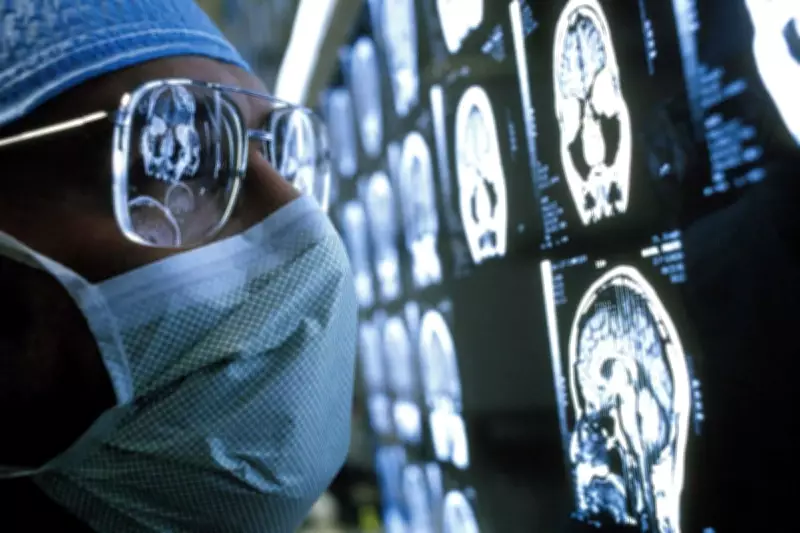
Scientists Develop Revolutionary Blood Test for Brain Tumour Detection
Researchers have announced a significant breakthrough in the development of a revolutionary blood test capable of detecting brain tumours with remarkable accuracy. This innovative diagnostic tool, which boasts over 90% precision, could transform how aggressive glioblastomas and other brain tumour types are identified and monitored in clinical practice.
A Less Invasive Alternative to Current Methods
Currently, diagnosing and managing brain tumour patients involves complex, often invasive procedures such as surgical biopsies and extensive MRI scans. The new blood test offers a less intrusive and potentially faster alternative, focusing on two specific blood proteins that serve as reliable markers for tumour presence and progression.
Led by scientists at the University of Manchester in collaboration with teams in Denmark, the research has been published in the journal Neuro-oncology Advances. The test's validity was rigorously assessed using glioblastoma patients throughout their treatment journeys, including surgery, radiotherapy, and chemotherapy.

High Accuracy and Stability in Detection
Professor Petra Hamerlik, the Brain Tumour Charity chair of translational neuro-oncology at the University of Manchester, who spearheaded the research, emphasised the test's impressive performance. "Our dual-marker blood test achieved diagnostic accuracy greater than 90% and continued to perform just as well when the disease returned," she stated.
Professor Hamerlik highlighted the remarkable stability of the blood markers, noting that despite the genetic diversity and constant evolution of these tumours, the signal in the blood remains robust and highly informative. This stability opens the door to a future where tumour behaviour can be tracked through simple blood samples, complementing brain scans and enabling earlier recognition of treatment failure or cancer recurrence.
Potential for Real-World Clinical Application
The blood test could have profound implications for primary care. Professor Hamerlik explained that patients often visit a GP six to eight times before being referred for an MRI scan for a potential brain tumour. With this new test, if a patient presents with symptoms like headaches multiple times, a doctor could run the test to assess the risk of a malignant growth, prompting timely MRI referrals.
She envisions the test being developed into a device similar to a Covid test, with hopes that it could be integrated into the NHS within a decade following regulatory approval. Beyond initial diagnosis, the test has shown effectiveness in monitoring therapy response, with biomarker levels changing in correlation with tumour growth and treatment effects.
Support from the Medical Community
Dr Simon Newman, chief scientific officer at the Brain Tumour Charity, echoed the significance of this development. "Early and accurate diagnosis is absolutely critical for people with brain tumours, yet current tools are limited and often invasive," he said. "This research therefore marks a significant step towards a simple blood test that could help clinicians detect glioblastoma and monitor how patients are responding to treatment in real time."
The research team has launched a clinical trial across six UK sites and four international locations. Professor Hamerlik expressed optimism that the blood test will be ready as new treatments for glioblastoma emerge, underscoring the critical impact of early detection on patient prognosis. Smaller tumours detected earlier result in less damage to normal brain tissue and better outcomes, even with surgical intervention.






