

Saying farewell to a beloved family dog ranks among life's most heart-wrenching experiences, but a groundbreaking scientific development offers a glimmer of hope for more cherished moments with our four-legged companions. A pioneering startup based in San Francisco is advancing a daily chewable pill designed specifically for older dogs, with the ambitious goal of extending a canine's lifespan by at least one additional year.
How the Revolutionary Drug Works
This innovative medication, known as LOY-002, operates by targeting metabolic dysfunction, a primary driver of the ageing process that contributes to conditions such as arthritis, cancer, and cognitive decline in dogs. Remarkably, it replicates the positive effects of calorie restriction without necessitating a stringent dietary regimen for senior pets.
Extensive Clinical Trials Underway
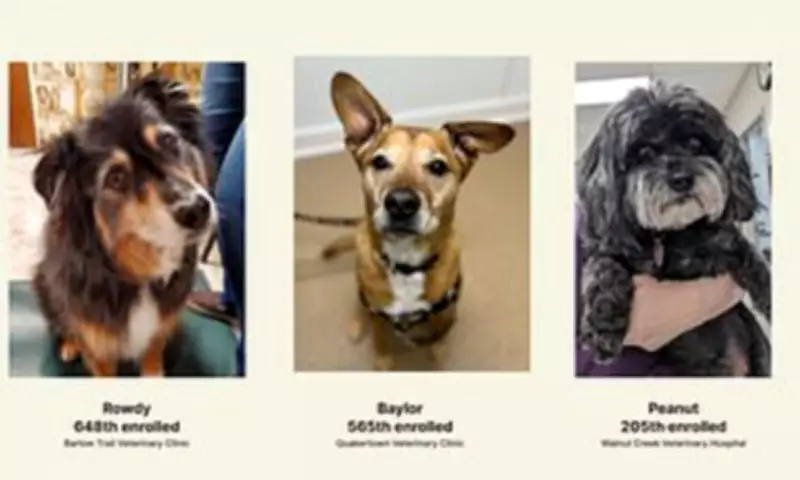
Across the United States, over 1,300 dogs have been enrolled in a comprehensive study named 'STAY', involving 72 veterinary clinics. Participants are randomly assigned to receive either the drug or a placebo, with meticulous monitoring to gather extensive data on health outcomes.

Dr. Brennan McKenzie, director of veterinary medicine at the biotech firm Loyal, explained to Fortune: 'We're putting them on either the drug or a placebo, and monitoring them incredibly closely, collecting just a mountain of really interesting data. At the end of that, we will hopefully see that the dogs on the drug are living longer, they have less frailty, they have a better quality of life, hopefully they have less age-related disease.'
Potential Implications for Human Health
Should the drug prove effective in canines, it could pave the way for similar anti-ageing treatments for humans, offering a proactive approach to health management rather than reactive disease treatment.
FDA Safety Approval and Future Availability
The study, now two and a half years into its minimum four-year duration, has already achieved a significant milestone: safety approval from the U.S. Food and Drug Administration (FDA). This regulatory nod means the pill could potentially become available to the public before the study concludes, pending final approvals.
Dr. McKenzie noted: 'The FDA recognizes that studies like this are long. They take years and years to run. In the meantime, there is no drug that solves this problem. There's nothing available to try to target ageing and help dogs live longer. So if we can show that it's safe and that it's likely to work, we can bring it to dog owners and veterinarians sooner.'
Study Design and Cost Considerations
The research is structured to detect a minimum one-year lifespan difference between treated and placebo groups. For some dogs, this could translate to nearly a 10% increase in overall longevity. The company aims to keep monthly treatment costs under $100, making it accessible for many pet owners.
Veterinary Perspective on Ageing Challenges
Reflecting on his clinical experience, Dr. McKenzie shared: 'As a vet in general practice, I am privileged to be a part of my patients' lives through all stages – from puppyhood to their senior years. Seeing these older pets, though, can be bittersweet because I also see the limits that ageing has begun putting on their lives.'
He emphasized that extending a dog's prime years and delaying age-related issues would address a significant gap in veterinary care, enhancing the bond between pets and their owners.
Broader Impact and Historical Context
If granted final FDA approval, LOY-002 would mark the first anti-ageing drug sanctioned for any species, potentially revolutionizing preventive medicine for both animals and humans. This development underscores the growing intersection of biotechnology and pet healthcare, offering new avenues for improving quality of life.
In summary, this cutting-edge pill represents a hopeful step forward in combating canine ageing, with far-reaching implications that could benefit millions of pets and their families worldwide.






