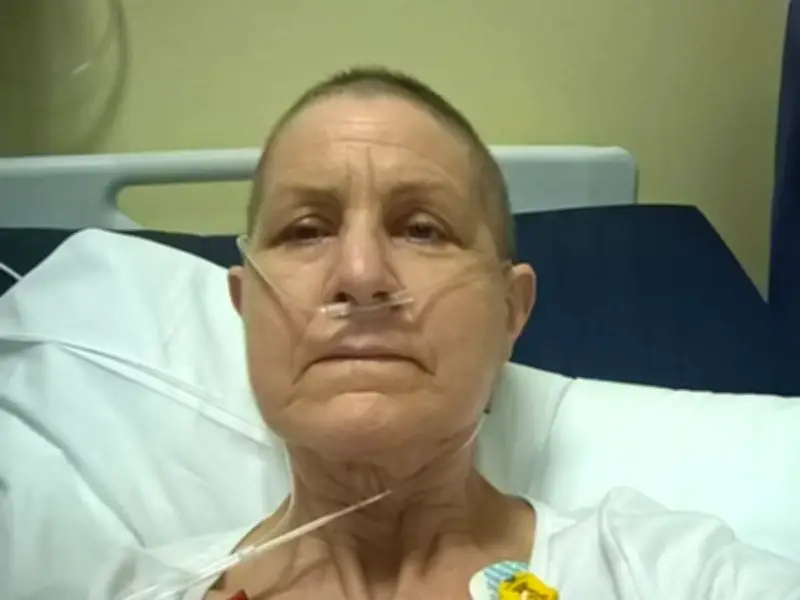
Sarah Chapman, 67, from Kent, had her symptoms repeatedly dismissed as the menopause before being told she had developed a form of leukaemia and could have just five years to live.
Active lifestyle turned upside down
Sarah, a former NHS audiologist, once led a highly active life and was a keen hockey player. Then she began feeling unusually exhausted and started falling ill regularly with ailments such as chest infections. Wounds also took considerably longer to heal.
Despite being referred to numerous specialists, Sarah says all of them attributed her symptoms to the ageing process and the menopause. She was later diagnosed with myelodysplastic syndrome (MDS), which had developed into leukaemia.

Gut feeling proved right
"I knew what I was capable of, and how active I was, and I felt deep down something was wrong," she said. "I was worried and didn't like it hanging over me. However, I was relieved that I had finally been vindicated in knowing my body well enough to keep insisting something was wrong."
Sarah recalls her symptoms first emerging in 2011. She had been a regular blood donor, maintained a healthy diet and took iron supplements, but it made little difference. Before long, her haemoglobin levels dropped too low for her donations to be accepted. She then experienced debilitating illnesses, night sweats and deteriorating skin.
Diagnosis and treatment
During a walking holiday with her husband, Mike, she found herself unable to manage more than a few steps. In 2013, after numerous visits to her GP, she received her diagnosis following an abnormality flagged in a routine blood test.
"I was told this would become leukaemia within the next three to five years," she said. "I had to have regular blood tests and bone marrow biopsies. I kept working, continued to umpire hockey and kept up with all my other sports activities. But, of course, it was always in the back of my mind. Every new symptom would make me wonder if this was 'it'."
In June 2016, Sarah received the news she had feared: she had developed acute myeloid leukaemia, an aggressive form of blood cancer. Each year, almost 3,100 people in the UK receive this diagnosis, with nearly 80% unlikely to survive beyond five years, according to charity Leukaemia UK. She endured three rounds of chemotherapy, spending much of that time in isolation.
Remission and return to hockey
Following her final round of treatment, Sarah was given the all-clear and entered remission. A stem cell transplant from her brother, Colin, offered her the best possible chance of remaining cancer-free.
Today, Sarah has returned to the hockey pitch and is embracing retirement, competing at events. "Hockey has been a huge part of my life and a huge factor in who I am," she said. "To have all this to return to, and to have done so much since my leukaemia, makes me so grateful."
Fiona Hazell, chief executive of Leukaemia UK, said: "We're so grateful to Sarah for sharing her story to help raise awareness of leukaemia. Most of the signs and symptoms are not specific, so can often get mistaken for other illnesses or be explained away. Early diagnosis saves lives. That is why we encourage anyone with symptoms to make sure it's nothing serious by speaking to their GP and asking for a full blood count test."