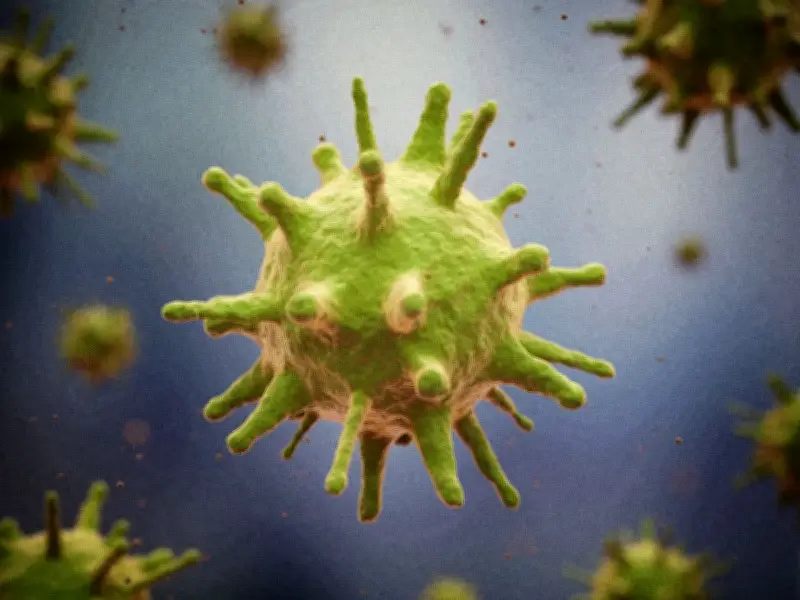
The World Health Organisation (WHO) has launched an investigation after the first-ever known human case of Shamonda virus (SHAV) infection was reported in France, an EU country popular with UK tourists.
Health officials in France raised the alarm after the virus, which normally affects animals such as cattle, sheep, goats and horses, was detected in a person for the first time.
Patient Details and Outcome
According to the WHO, the patient was an immunocompromised older man from eastern France with no travel history during the preceding year. He developed severe neurological illness on 23 September 2026 and was diagnosed with severe encephalitis (brain inflammation). The patient died on 8 October 2026.
The WHO said there are no previously documented human infections of the disease. The person concerned had not travelled outside the country in the preceding 12 months.
Possible Transmission Routes
Vector-borne transmission, via a bite from an infected midge, is thought to be the most likely source of infection. Officials are also investigating the possibility of food-borne transmission, but said it is unlikely.
The patient lived in rural eastern France, where animal SHAV transmission has been documented since July 2026. The patient received multiple blood transfusions between February and October 2026 for his underlying illness.
Spread Across Europe
SHAV was only found for the first time in Europe during the summer of 2026, with confirmed or suspected infections reported in cattle, horses and alpacas in Belgium, France, Germany, the Netherlands and Switzerland.
As of 21 October 2026, additional European countries and territories have reported SHAV detections in animals, including Austria, Ireland, Jersey, Liechtenstein, Portugal, Slovenia and Spain.
The WHO noted that this first documented human infection demonstrates that human infection is possible, but a single case is insufficient to assess the risk to the general population, including immunocompetent individuals, or to determine the frequency, clinical spectrum or severity of human infection. The route of infection and possible sources of exposure are unknown, though vector-borne transmission is a plausible hypothesis. The WHO added that, as this is the first documented laboratory-confirmed human infection, the public health risk cannot yet be reliably assessed and recommends continued surveillance and investigation.