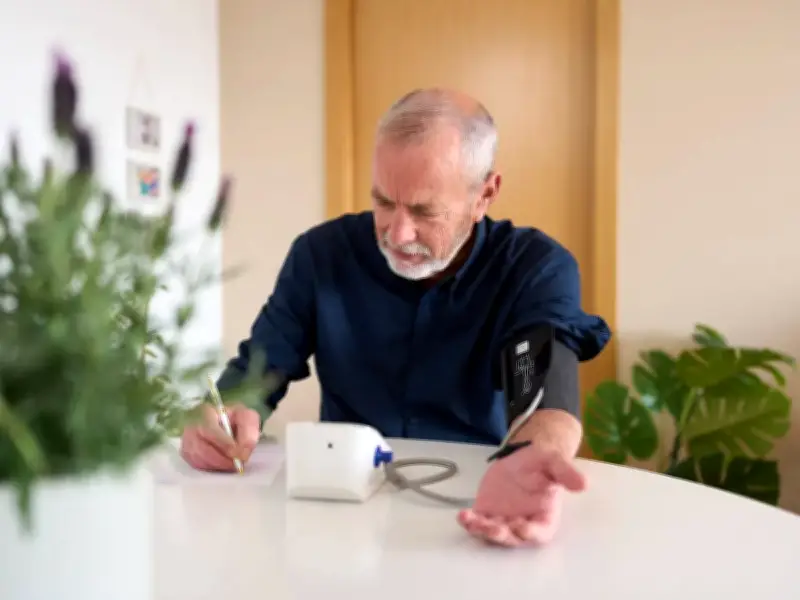
Experts from the Mayo Clinic have highlighted weight loss as the "strongest lifestyle factor" that can lower blood pressure, according to a July 2026 update. The advice comes as part of a broader push for "lifestyle changes" that "play a big role in treating the condition."
For those without blood pressure problems, adopting a healthy lifestyle could help prevent hypertension from developing and may reduce the likelihood of needing medication. However, anyone who requires medication should follow their doctor's advice and take it as prescribed.
Understanding High Blood Pressure
High blood pressure, or hypertension, occurs when overall blood pressure is always high, even when resting. The British Heart Foundation (BHF) explains that, for most people, this happens when blood pressure exceeds 140/95 mmHg. It is a "serious condition" that, if unmanaged, could lead to loss of vision, kidney failure, heart failure, and vascular dementia.
Arteries are normally flexible and can handle changes in blood pressure. But if blood pressure stays high, they can become stiff or narrow, making it easier for fatty deposits to build up and increasing the risk of a heart attack or stroke.
Ten Ways to Manage Blood Pressure Without Medicine
The Mayo Clinic has listed "10 ways to manage high blood pressure without medicine," covering weight, activity, diet, and other lifestyle factors.
Weight and waist size are emphasized, with experts noting that "the greater the waist measurement, the greater the health risk, including high blood pressure." Regular exercise is also recommended, with a goal of 75 minutes of vigorous aerobic activity or 150 minutes of moderate physical activity per week.
Dietary changes include limiting sodium to 2,300 mg a day or less, with 1,500 mg or less being better for most adults. This could lower high blood pressure by about 5 to 6 mm Hg. Eating whole grains, fruit, vegetables, and low-fat dairy, while cutting back on saturated and trans fats, is also advised.
Other recommendations include easing stress through meditation or breathing exercises, avoiding tobacco and nicotine products, managing cholesterol and blood sugar, limiting alcohol, and getting 7 to 9 hours of sleep each night.
The Mayo Clinic reassures anyone worried: "Making lifestyle changes takes time. Some days it might feel challenging. So ask your family or friends for support when you need it."
If you are concerned about your blood pressure, it is important to speak to your GP or another qualified healthcare professional. Lifestyle changes can help, but they do not work for everyone, and some people will still need medication. Only a clinician can assess what is right for you and recommend a treatment plan tailored to your individual health needs.