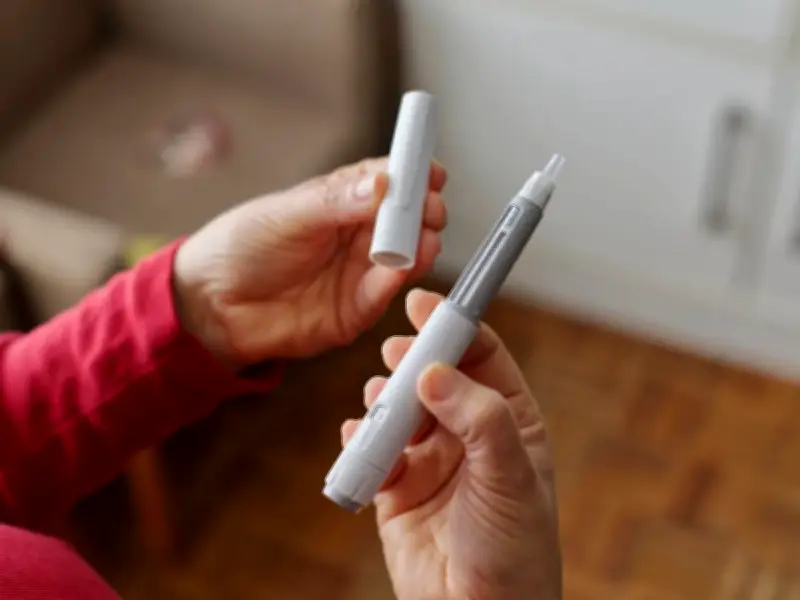
Anyone considering weight-loss injections has been warned about the dangers of counterfeit products, following enforcement raids that seized more than 12,000 fake pens in Birmingham. The Medicines and Healthcare products Regulatory Agency (MHRA), working with West Midlands Police, recovered the counterfeit weight-loss pens from an industrial unit.
Authorities have cautioned that these illicit products have never been subjected to safety or quality testing. Some packages were even found to contain retatrutide, a drug that holds no licence anywhere in the UK.
GP Warning Over Unverified Jabs
Dr Amar Ahmed, GP partner at Wilmslow Health Centre, has issued a fresh caution to anybody contemplating weight-loss injections, particularly those considering purchasing medication from sources other than a registered pharmacy. In a video posted on Facebook, he said: "If your weight loss jab came from anywhere other than a pharmacy, can I have 30 seconds of your time?"
He referenced the October 14 MHRA raid, noting: "That's from the MHRA's own statement, which they put out the next day. Now, counterfeit doesn't just mean it's a bit weak. It actually means nobody knows what's in it." He added that one of the two drugs named, Ritatritide, isn't licensed in the UK at all, so "it can't have come through a proper route because there isn't one."
Who Is at Risk?
Legitimate weight-loss injections, including Wegovy and Mounjaro, are prescription-only medications intended for adults living with obesity or weight-related health conditions, to be used with a reduced-calorie diet and regular physical activity. High demand and supply shortages have created opportunities for illegal sellers to exploit the market.
An Ipsos poll found nearly one in 10 UK adults (9%) would purchase weight-loss jabs through social media if they were unable to obtain a prescription. Research involving 2,000 GLP-1 users by MedExpress discovered that over 20% had already purchased unverified jabs, with adults aged 25 to 34 proving most susceptible.
Financial and Health Risks
Santander UK reported that fraud losses from fake weight-loss jab scams doubled year-on-year, with victims losing an average of £120 as they sought cheaper alternatives. Private treatments can cost as much as £2,500 annually, and 51% of users cited cost as the main reason for discontinuing treatment.
Administering an unapproved or counterfeit drug carries life-threatening health risks. Authorities have discovered fake injectables containing harmful bacteria, undisclosed chemicals, and even hazardous substances such as cement and arsenic. A significant number of fake pens contain mislabelled insulin rather than weight-loss medication, which can trigger rapid drops in blood sugar levels, leading to severe hypoglycaemic shock, coma, or death. Nearly 90% of reported adverse reactions to counterfeit semaglutide are classified as serious, including severe vomiting, acute pancreatitis, and dehydration.
Safety Advice for Buyers
Experts urge people to check the source, require a prescription, and inspect the packaging. Legitimate prescription drugs are never sold directly via social media or general online shopping platforms. Always verify that an online provider is listed on the General Pharmaceutical Council (GPhC) register. If a website offers injections without a clinical consultation or BMI verification, it is operating illegally and the products are likely to be counterfeit. Be wary of loose syringes, unlabelled powders, poor-quality printing, or cloudy liquid. If you purchased an injection online or through social media, discontinue use immediately and seek advice from a GP or pharmacist.