Seventy-eight years ago this week, Aneurin Bevan, a son of Tredegar, walked into Park Hospital in Manchester to meet the first patient of a new institution that would transform healthcare in Wales, the UK, and inspire systems worldwide. The National Health Service was founded on the radical conviction that the circumstances of your birth should never determine the quality of your care.
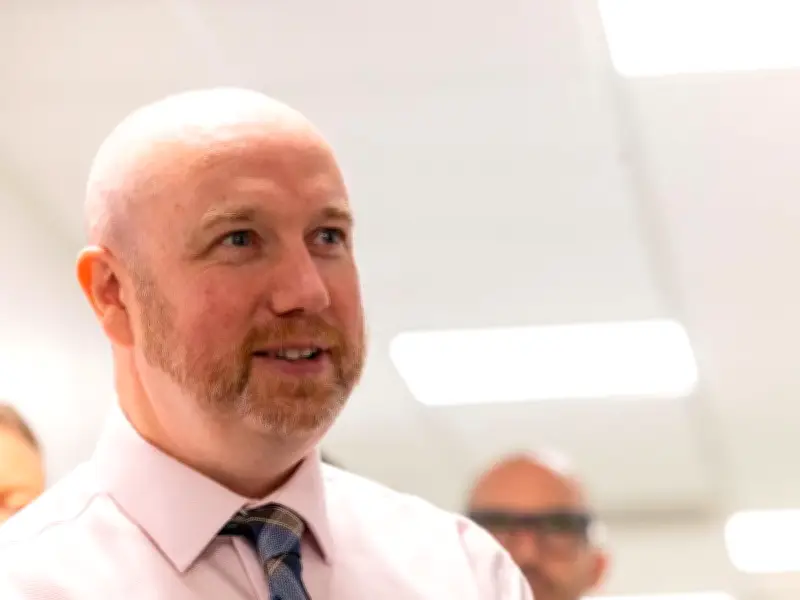
Marking this anniversary, Welsh Cabinet Minister for Health and Care Mabon ap Gwynfor has pledged to write a bold new chapter for the NHS, while being honest about the challenges ahead. He praised the tens of thousands of NHS staff—nurses, doctors, paramedics, porters, and support staff—who work tirelessly across wards, theatres, GP surgeries, and community clinics.
Workforce Strategy and Investment
Ap Gwynfor announced that this autumn he will publish a long-term workforce strategy for NHS Wales, with clear commitments to ensure the right staff in the right places and a culture where they feel valued. Summits with healthcare leaders have been convened to tackle obstacles faced by nursing, midwifery, and paramedic graduates in securing posts, aiming to retain talent trained in Wales.
The government has moved quickly to address the inherited strain on the health system. In its first Supplementary Budget, it announced £145 million of new investment, including £100 million to drive down waiting times and £25 million for new surgical and diagnostic hubs. An expert, clinically led group of surgeons, nurses, and anaesthetists is planning up to ten hubs across Wales, with a delivery plan due by the end of this year.
Waiting Lists and Emergency Care
Ap Gwynfor acknowledged that waiting lists have become a debilitating millstone, emergency departments face relentless demand, and cancer care standards fall short. He pledged to eliminate two-year waits within months and reduce the overall backlog to pre-pandemic levels before the end of the Senedd term, ensuring lists stay down. “This is not ambition for its own sake—it is a pledge to patients who have waited far too long,” he said.
Preventative Health and Community Care
The minister emphasised that treating illness alone is insufficient, echoing Bevan’s vision of a society investing in conditions for people to thrive. The appointment of a Deputy Minister for Public and Preventative Health signals a cross-government approach to tackle determinants of poor health, including child poverty, housing, education, employment, healthy eating, and physical activity.
“On my watch, I will measure success by the number of people in good health, the quality and safety of care, and the number of people who never go to hospital at all,” ap Gwynfor stated. Plans include shifting care closer to home, recruiting up to 100 new salaried GPs, tackling ambulance handover delays and corridor care, and strengthening community and social care. A ten-year digital and data strategy is also being developed to modernise the NHS.
Defending the NHS
Ap Gwynfor reaffirmed that the NHS must remain a public institution, free at the point of need, and promised to defend it to the hilt. “The NHS belongs to the people of Wales. It was born here, shaped here, and under this government it will thrive. Seventy-eight years on, its founding promise endures. And so does our determination to keep it,” he concluded.