The UK Health Security Agency (UKHSA) has said the public health risk from plague to the wider UK population currently remains very low, following the death of a laboratory worker in Russia.
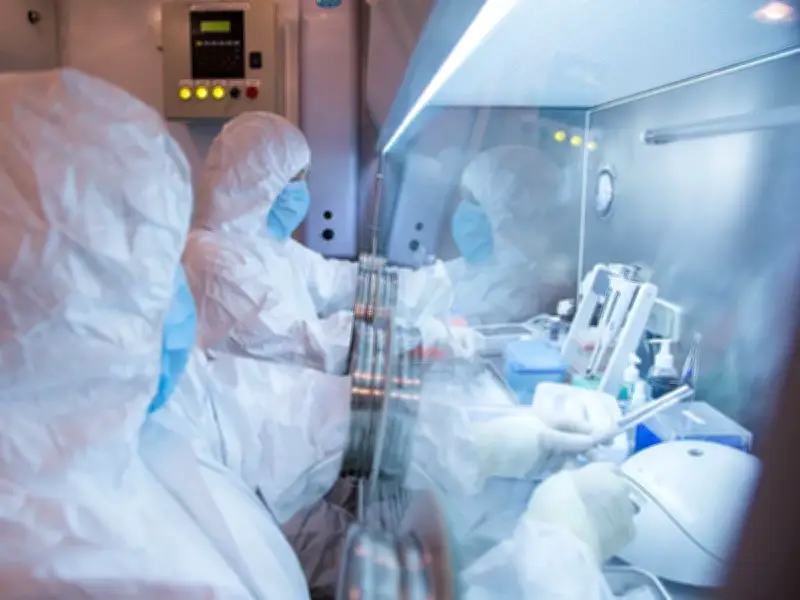
The worker, named in reports as 28-year-old Darya Shipilova, was employed at the Irkutsk Anti-Plague Research Institute of Siberia and the Far East in Shelekhov, near the city of Irkutsk in south-eastern Siberia. Unconfirmed reports have claimed she became infected after accidentally breaking a test tube containing plague bacteria while collecting samples.
UKHSA seeking further information
Almost 200 people who may have come into contact with the woman are reportedly being monitored in Siberia, local reports suggest, while several hospitals have been placed under quarantine. Russian authorities say they have found no evidence her illness was caused by any pathogens she worked with, but media reports suggest she may have died of pneumonic plague.
Chris Lewis, director of global health protection at the UKHSA, said: “We are aware of media reports that emergency containment measures have been introduced in Russia’s Irkutsk region following the death of an employee at the Irkutsk anti-plague institute.
“We are seeking information through the International Health Regulations channels to further understand the circumstances and verify the accuracy of these reports.
“The public health risk from plague to the wider UK population currently remains very low.”
Plague risk and transmission
Plague is a disease usually found in small mammals and their fleas. It is no longer found in the UK, but occurs in several countries in Africa, Asia and the Americas. The disease is usually transmitted to humans from infected animals or fleas, but people can pass it on from coughing and sneezing. Usually, this requires direct and close contact with the person with pneumonic plague.
If plague is untreated, it can cause rapid death, but antibiotics can be effective if the disease is caught in time.
US response
In Washington, US President Donald Trump said he was watching the situation with concern and said the US would be willing to help, though he said he had not spoken to Russian President Vladimir Putin about the situation.
“It’s a rough disease. You know, that’s a disease we used to be able to control, but somehow those microbes have gotten stronger and smarter. They’re like an army,” the President told reporters outside the White House.
“Even with great advancement, the germs have really become relatively stronger than they were, and things that used to work on pneumonia don’t work as well anymore.”