The UK Health Security Agency (UKHSA) has issued clear guidance for parents and carers on when poorly children should be kept at home and when they are fit to attend school, as the new school year gets under way.
The government body said now is an ideal opportunity to "familiarise ourselves with some of the common illnesses that can cause disruption to children's time in school during the colder months".
When to keep children at home
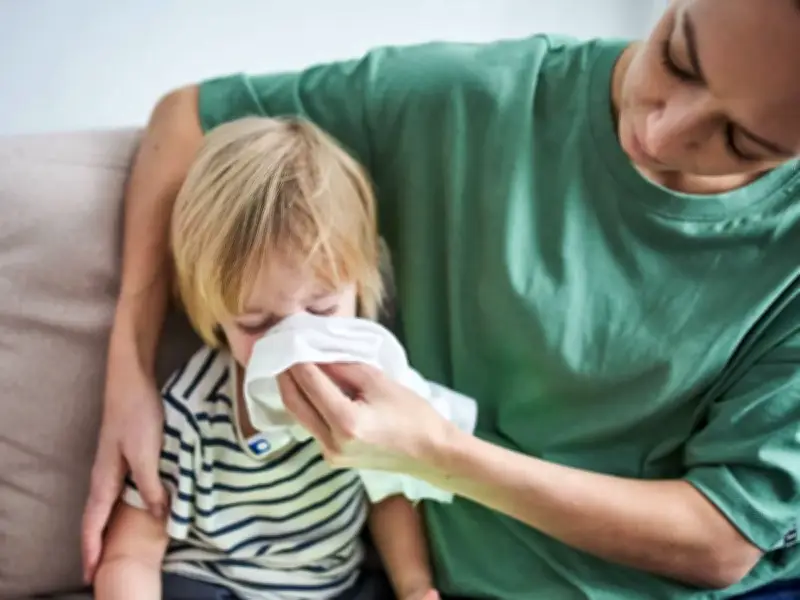
UKHSA bosses say it is perfectly fine to send your child to school or nursery with a minor cough or common cold, provided they are otherwise well and free from a high temperature.

However, if your child has a fever, they should remain at home until they are feeling better and the temperature has subsided. Children suffering from diarrhoea and/or vomiting must stay away from school for a minimum of 48 hours after their last episode.
COVID-19 and measles guidance
Routine COVID-19 testing for children and young people is no longer recommended unless advised by a healthcare professional. That said, if your child has tested positive for COVID-19, they should try to remain at home and limit contact with others for three days following the day they took the test.
Children and young people who attend school, college or childcare and live with someone who has tested positive for COVID-19 should continue to attend as usual.
Should your child display any of the measles symptoms listed below, and they have not received both doses of the MMR or MMRV vaccine, they must not return to school until four days after their rash first appeared.
Measles symptoms to watch for
The early signs of measles include a runny or blocked nose, a high temperature, a cough, sneezing, and red, sore, watery eyes. A rash usually appears several days later, starting on the face and behind the ears before spreading across the rest of the body.
The spots of the rash are sometimes raised and merge together to form blotchy patches, and they're not generally itchy. The UKHSA notes that it is highly unlikely to be measles if your child has received both doses of the MMR/MMRV vaccine or has previously had measles.