The UK Health Security Agency (UKHSA) has issued fresh advice to households concerned about the Stratus variant of coronavirus, also known as American Covid or the XFG strain. The guidance comes as transmission of the variant has increased over the past month with winter approaching, and as reports of cases and hospital admissions both jump month-on-month.
UKHSA data shows that positive Covid test rates rose to around 7% in September, with hospital admission rates increasing by approximately 50% over the same period. These increases have been observed consistently across England, Scotland, Wales and Northern Ireland, as well as across Europe and the United States.
What the UKHSA says about severity
The agency says that its 'current data does not indicate' that the variant leads to a more severe illness. It adds: "As increases in hospitalisations are rising in line with overall increases in COVID-19 circulation - rather than rising sharply on their own - this suggests a general increase in COVID-19 activity rather than a variant causing more severe disease."
The UKHSA notes: "There are likely to be several factors behind the current rise. As we move into winter, colder and wetter weather means people spend more time indoors, which enables the spread of respiratory viruses. It has also been roughly a year since the last significant COVID-19 wave, so immunity from vaccination and previous infection may be waning in parts of the population, making people more susceptible."
Guidance for those who cannot stay home
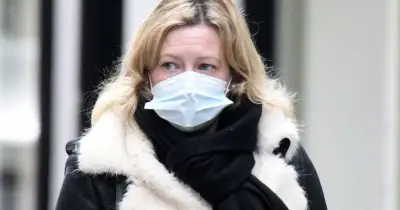
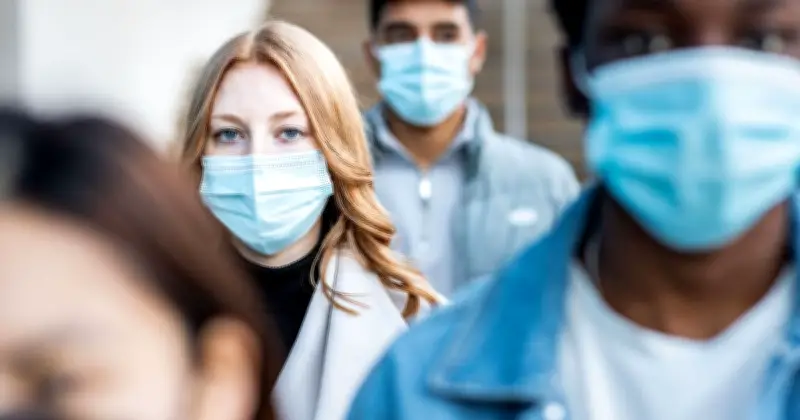
The UKHSA advises that those with symptoms and a temperature should wear a 'well fitting face covering' or 'surgical face mask' if they 'absolutely can't stay home'. It also says to avoid crowded places, public transport, and large social gatherings, as well as anywhere that is an enclosed or poorly ventilated space.
The agency adds: "If you have symptoms of a respiratory infection, such as COVID-19, and you have a high temperature or do not feel well enough to go to work or carry out normal activities, you should avoid contact with vulnerable people and stay at home if possible. For those of us who absolutely can't stay at home, the guidance remains unchanged, and will reduce the chance of passing on your infection to others:
- wear a well-fitting face covering made with multiple layers or a surgical face mask
- avoid crowded places such as public transport, large social gatherings, or anywhere that is enclosed or poorly ventilated
- take any exercise outdoors in places where you will not have close contact with other people
- cover your mouth and nose when you cough or sneeze; wash your hands frequently with soap and water or use hand sanitiser after coughing, sneezing and blowing your nose and before you eat or handle food; avoid touching your face