The UK Health Security Agency (UKHSA) has issued guidance recommending face masks for symptomatic Brits as Covid-19 hospitalisations rise by around 50%, with the XFG variant — also known as 'American Covid' — continuing to circulate across the UK.
Rising cases and hospital admissions
The XFG variant has been circulating in the UK and beyond for approximately a year. Data from the UKHSA shows that Covid-19 positive test rates climbed to around 7% in September, with hospital admission rates surging by approximately 50% over the same period.
The increase in hospitalisations reflects a broader rise in Covid-19 activity across the nation. Cases have ticked up across the country, with Newcastle in the North East seeing a significant bump in positive cases.
UKHSA guidance for symptomatic individuals
In response, the UKHSA has issued guidance on what Brits should do if they display symptoms of any respiratory infection, including Covid. Those experiencing a high temperature or feeling too unwell to attend work or carry out everyday activities are advised to avoid contact with vulnerable people and remain at home where possible.
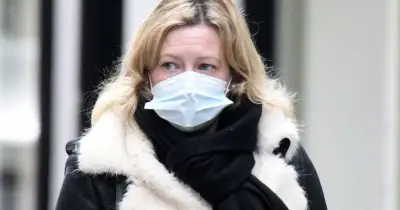
For those unable to do so, the agency advises wearing a 'well-fitting face mask' with multiple layers or a surgical face mask. It also recommends avoiding busy locations, undertaking physical activity outdoors in spots where close proximity to others is unlikely, and maintaining good hygiene habits. This includes covering the mouth and nose while coughing or sneezing, washing hands frequently with soap and water, or applying hand sanitiser after coughing, sneezing, and blowing the nose, and before eating or handling food.
Reasons behind the rise and vaccination programme
The UKHSA attributes the present rise partly to more individuals remaining indoors as colder and damper weather sets in, which aids the transmission of respiratory viruses. Additionally, roughly a year has passed since the previous major Covid-19 wave, suggesting immunity from vaccination and prior infection may be waning in certain segments of the population.
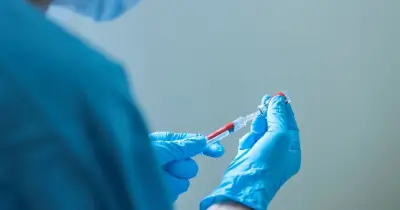
The Covid-19 vaccination programme has begun, focusing on people aged 75 and above, those with weakened immune systems, and residents of elderly care homes. The UKHSA urges anyone in these groups to receive vaccination, as it provides protection against serious illness.
Symptoms and isolation advice
GP Dr Renée Hoenderkamp told the Mail that patients with Covid now complain of sore throats, headaches, runny noses and fatigue. She said: "In the past 10 days to three weeks in general practice my lists have definitely changed to people with these symptoms."
If you have Covid symptoms and a high temperature, or feel too unwell for daily activities, the NHS advises staying home. You can resume normal activities once you feel better or your fever breaks. Children with mild symptoms like a runny nose can still attend school if they feel well enough.
If you test positive, under 18s are advised to stay home for 3 days after the test, while adults (18+) should stay home for 5 days. Additionally, avoid contact with vulnerable individuals, such as those with weakened immune systems, for 10 days following a positive test.