The UK Health Security Agency (UKHSA) has issued the first cold-health alert of the winter as temperatures are set to drop towards the end of the week. The yellow alert covers the North West and West Midlands and will be in place from 9am on Thursday until 12pm on Saturday.
Overnight temperatures are expected to fall to almost zero for much of the country, with daytime temperatures dropping as low as 4C. The UKHSA is urging people to check on elderly friends, family and neighbours as winter begins to bite.
Who is most at risk?
Cold weather can have a serious impact on the health of some people, including those aged 65 and over and those with pre-existing health conditions. Experts say elderly people can find it more difficult to regulate their body temperature and may need to take precautions to keep themselves and their homes warm.
Conditions that can be particularly affected by cold weather include heart disease, high blood pressure, kidney disease, diabetes, as well as lung conditions such as asthma and chronic obstructive pulmonary disease (COPD).
What the alert means
Under the Weather Health Alerting system introduced by UKHSA and the Met Office, yellow cold-health alerts may be issued during periods of heat or cold which could impact those who are particularly vulnerable. Weather-Health Alerts focus on the health impacts of weather, and health and care workers use them to anticipate periods when their services will be in demand when more people fall ill.
The alert colours range from green, meaning no alert is issued as conditions are likely to have minimal impact on health, to red, which indicates an emergency response and significant risk to life for even the healthy population. An amber alert indicates an enhanced response with weather impacts likely to be felt across the whole health service.
Advice for staying warm
Dr Anya Gopfert, Consultant in Public Health at UKHSA, said: "This is the first Cold-Health Alert of the winter, but we can expect more as we move further into the season."
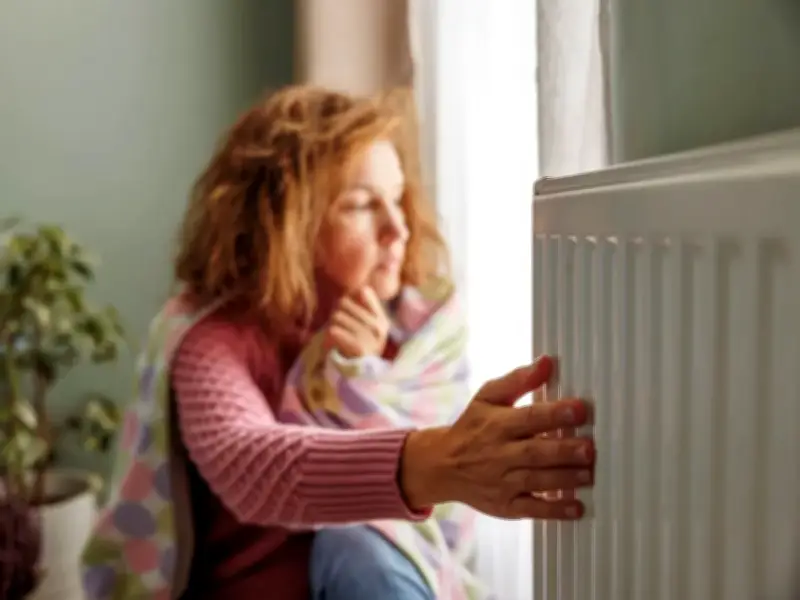
"Cold weather can have a serious impact on the health of some people, including those aged 65 and over and those with pre-existing health conditions, so it is vital to check in on friends, family and neighbours who are most vulnerable," she added. Dr Gopfert also reminded people to take simple steps to stay warm and look after their health as temperatures begin to fall, including keeping homes heated where possible and dressing warmly.