Cases of a coronavirus strain informally called "American Covid" have surged in the UK, with official figures showing the variant, known to experts as XFG or Stratus, accounted for more than 60% of Covid cases with a sequenced positive sample between August 17 and August 30, 2026.
The rise comes amid an increase in cases and hospitalisations in Britain. Latest figures show 4,589 Covid cases were recorded last month, marking an increase of around 230% on August's figures of 1,374.
Hospital admissions and test positivity rise
There was also a significant uptick in hospital admissions, from 950 in August to 4,939 in September. Meanwhile, the percentage of tests in hospitals that came back positive for Covid rose from 5.9% to 7.0% in the seven days leading up to September 30, according to figures from the UK Health Security Agency (UKHSA).
XFG was first detected in Southeast Asia in 2025 before becoming dominant in the US. It is a hybrid sub-variant of the Omicron strain, which drove cases during the pandemic. Mutations are thought to have made XFG more infectious than previous strains, though experts note that mutations are to be expected.
Experts on severity and symptoms
Alex Allen, consultant epidemiologist at the UKHSA, said: "The strains currently going around, including those known as XFG, are closely related to strains that have been with us for over a year, so this isn’t something new."
Though the variant may have greater transmissibility, which along with seasonal patterns may be contributing to rising cases, there's no evidence to suggest it causes more severe illness. It can cause fever, a cough, sore throat, as well as hoarseness of voice, with the latter noted as a standout feature.
The vaccine being made available this winter for older and vulnerable people has been designed to be effective against XFG and variants of it, The Independent reports.
NHS guidance on symptoms and isolation
The NHS website says general symptoms of Covid across the various strains can include: a high temperature, a new continuous cough, a loss or change to your sense of smell or taste, shortness of breath, feeling tired or exhausted, an aching body, a headache, a sore throat, a blocked or runny nose, loss of appetite, diarrhoea, and feeling sick or being sick.
"The symptoms are very similar to symptoms of other illnesses, such as colds and flu," the health service's website adds. "Most people feel better within a few weeks, but it can take longer to recover. For some people, it can be a more serious illness and their symptoms can last longer."
The NHS says you should "try to stay at home and avoid contact with other people" if you or your child has symptoms and either have a high temperature, or don't feel well enough to go to work, school, childcare, or do your normal activities. "You can go back to your normal activities when you feel better or do not have a high temperature," it adds.
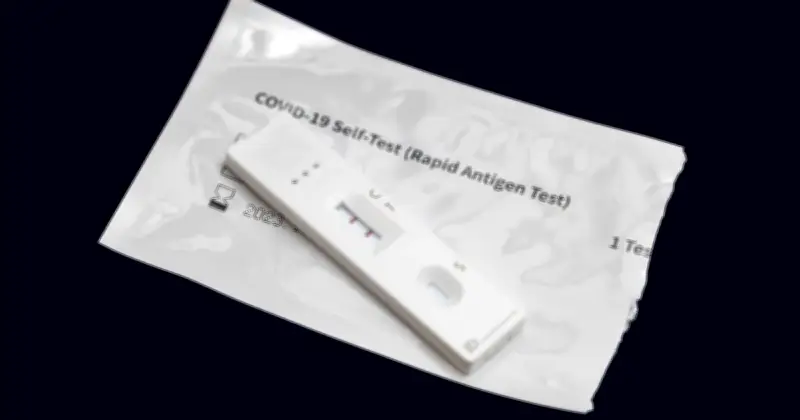
The NHS website says most people who experience symptoms don't need to take a COVID-19 rapid lateral flow test, but if you do test positive, it advises: try to stay at home and avoid contact with other people for 3 days after the day the test was taken if you or your child are under 18 years old; try to stay at home and avoid contact with other people for 5 days after the day you took your test if you are 18 years old or over; and avoid meeting people who are more likely to get seriously ill from infections, such as people with a weakened immune system, for 10 days after the day you took your test. You can find out more on the NHS website.