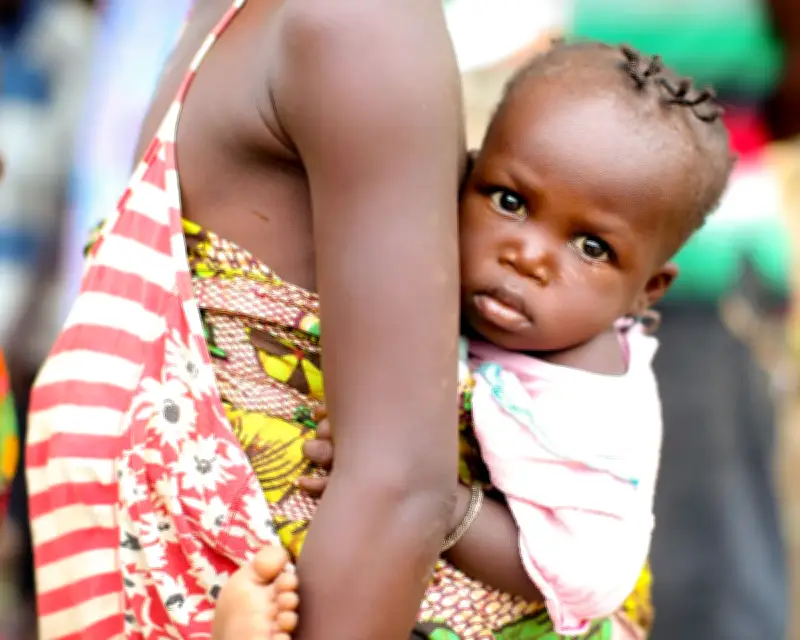
UK funding for Sierra Leone's newborn care programme is now expected to end in December 2026, two years earlier than planned, according to Unicef UK ambassador David Harewood. The actor, writing ahead of the Labour party conference, has called for the cuts to be reversed, warning that progress in saving newborn lives is under threat.
Pride in UK aid's impact
Harewood described visiting a special-care baby unit at Makeni regional hospital in Sierra Leone in 2019 with Unicef. He saw rows of tiny premature babies, some no bigger than his hand, with dedicated nurses and anxious parents willing them to survive.
He noticed a UK aid sticker on a tiny incubator, with oxygen equipment nearby that staff said had been funded through UK support. During frequent power outages, that equipment helped keep vulnerable newborns alive. Harewood said the moment filled him with pride that people in Britain had helped make survival possible.
Since 2017, Unicef has supported Sierra Leone's government to establish special-care baby units, providing specialised treatment previously unavailable to many. Harewood met staff doing extraordinary work despite limited resources, and mothers receiving advice and support.
Progress and threats
Since the expansion of the special-care baby units began, annual admissions have risen from around 1,000 to 14,000, while survival rates improved from 78% to 90% by the end of 2025. However, since the start of 2025, global aid funding has fallen sharply as major donors scaled back support. The UK has reduced spending on overseas development from 0.7% of national income to 0.3%.
Harewood said the consequences are already being felt: international paediatric support and specialist neonatal nurse training have ended, and reductions in free healthcare programmes have damaged the availability of lifesaving medicines for newborns, children and pregnant women. He warned that the foundations supporting units like Makeni are being eroded, with equipment needing spare parts, oxygen, trained technicians, and continued nurse training and mentorship.
Call for action
About 45,000 newborns in Sierra Leone require specialised care each year, but existing services reach only about 31%, leaving approximately 31,000 small and sick babies without access to essential care. Harewood supports Unicef UK's No Choice But Childhood campaign, urging the UK government to ringfence at least 25% of its overseas development spending for programmes that directly support children, and to set out a credible route back to spending 0.7% of national income on overseas development.
He acknowledged the pressure on public finances but stressed that choices have real consequences, such as whether oxygen is available when a premature baby cannot breathe, and whether a mother goes home carrying her child. The special-care baby unit he visited remains open for now, but declining support is making it harder to sustain its quality and extend care to thousands of newborns still not being reached.