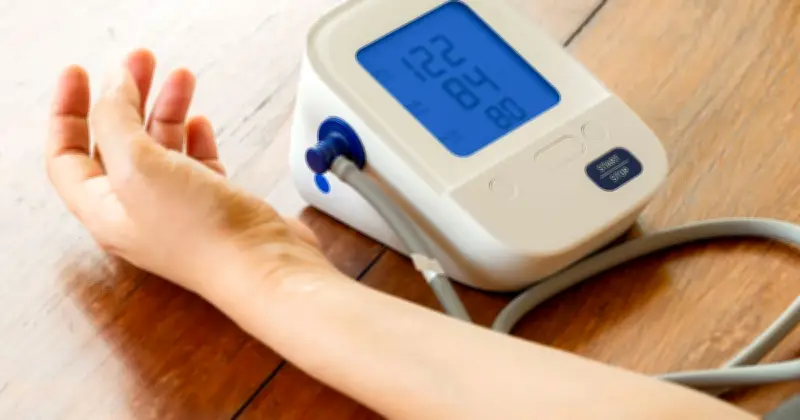
New research from Oxford Population Health has found that nearly two-thirds of people with high blood pressure in the UK are unaware they have the condition. The study, published in BMJ Public Health, analysed clinic blood pressure measurements from participants enrolled in the Our Future Health research programme between 2022 and 2025.
Study findings on hypertension prevalence
Using World Health Organization criteria, researchers identified hypertension as systolic blood pressure of 140 mmHg or greater, diastolic blood pressure of 90 mmHg or greater, or use of blood pressure-lowering medication. More than a third (37%) of participants had hypertension, ranging from 15% among those aged 18 to 39 to 71% in those aged 80 and above.
High blood pressure was found to be almost 50% more common in men than women (42% vs 29% after age-standardisation). For nearly two-thirds (59%) of people with high blood pressure, the condition was undetected, meaning they had not been diagnosed and were not on medication. Among those taking one or more blood pressure medications, 50% still had elevated blood pressure levels.
Calls for a more proactive approach
The authors argue that current National Institute for Health and Care Excellence (NICE) guidelines, which require multiple confirmatory blood pressure readings before diagnosis and recommend lifestyle advice ahead of drug treatment, result in many cases never being properly detected, treated or controlled.
Wenyu Liu, Medical Statistician at the Oxford department and lead author of the study, said: "While hypertension is largely a 'silent killer', the current approach to detecting and treating high blood pressure is not fit for purpose."
Liu added: "This isn't a problem confined to a particular group; it's substantial across almost every demographic we examined. Even among younger adults, who currently aren't eligible for an NHS Health Check, over 15% already had high blood pressure. This underscores the need for population-wide prevention strategies alongside targeted treatment for people at high cardiovascular risk."
Impact on heart attack and stroke risk
Iain Turnbull, Deputy Chief Medical Officer at Our Future Health, Clinical Research Fellow at Oxford Population Health, and GP, said: "Many patients with high blood pressure are undetected or are sub-optimally treated. There is a need for a more proactive approach to detection of high blood pressure and to consider initiation of treatment based on predicted risk of cardiovascular disease in addition to levels of blood pressure."
Professor Bryan Williams, the British Heart Foundation's Chief Scientific and Medical Officer, said: "This study paints a concerning picture of the scale of undetected high blood pressure in the UK, and the challenges of keeping blood pressure under control in those already receiving treatment."
Williams added: "High blood pressure remains the leading modifiable risk factor for cardiovascular disease, linked to around half of heart attacks and strokes in the UK. The worrying reality is that millions of people are still living with the condition without knowing it and missing opportunities for early diagnosis and treatment. Better detection and treatment could help tens of thousands of people to avoid a preventable heart attack and stroke."
NICE and the Department of Health and Social Care have been contacted for comment.