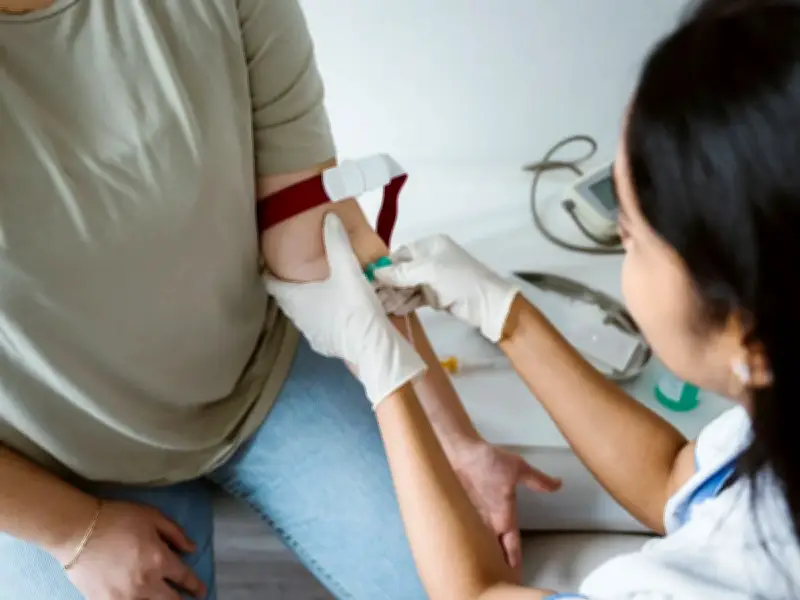
Cases of a disease associated with medieval times are rising among one group of people in England, prompting calls for more testing.
According to UK Health Security Agency (UKHSA) data, infectious syphilis diagnoses fell by 13.5% in 2025, down from 9,553 in 2024 to 8,262. However, while the number of diagnoses fell overall, cases in heterosexual women increased 4.8% - from 838 cases in 2024 to 878 in 2025.
Rise in heterosexual women
Syphilis can be treated with antibiotics, but it can become serious if left untreated. UKHSA guidance says the disease can cause "serious, irreversible and potentially life-threatening problems affecting the brain, heart or nerves".
It adds: "During pregnancy, syphilis can be passed to the unborn baby, leading to congenital syphilis - a serious condition that can result in miscarriage, stillbirth or lifelong health complications."
Review of pregnancy screening
Currently, the UK National Screening Committee (UK NSC) recommends universal early-pregnancy screening for syphilis as part of the NHS Infectious Diseases in Pregnancy Screening (IDPS) programme. The UK NSC is now reviewing whether to also add a routine repeat screening test in the third trimester:
"The purpose of the second test would be to prevent cases of congenital syphilis when a mother acquires syphilis during pregnancy. The second test would happen in the last three months of pregnancy, known as the third trimester."
Symptoms and testing
According to NHS guidance, syphilis symptoms can be mild when a person is first infected, meaning they often go unnoticed. "They tend to change over time and may come and go."
Initial signs of syphilis typically begin with small, usually painless sores (ulcers) located around the penis, vagina, or anus, often appearing as a single lesion. Similar sores can also develop on the lips, mouth, hands, or buttocks. Internal lesions may be missed due to the absence of pain.
As the infection advances, people may develop:
- White or grey wart-like growths on or around the genitals and anus
- A non-itchy skin rash on the palms, soles of the feet, or across the broader body
- White patches inside the mouth
- Flu-like symptoms, including fever, headaches, and fatigue
- Swollen lymph glands
- Patchy hair loss involving the scalp, beard, and eyebrows
Initial symptoms generally appear three weeks or more after exposure, while subsequent symptoms can emerge up to three months later. Sometimes symptoms resolve or disappear completely, but if without proper treatment the infection remains within the body.
Untreated individuals remain contagious to others and face a heightened risk of developing severe health complications over time.
You should visit a sexual health clinic or consult a GP if:
- you or a sexual partner have symptoms of syphilis
- you're pregnant or planning to become pregnant and think you might have syphilis
- you've injected drugs using a needle that's been used by someone who might have syphilis
- a sexual partner has informed you they have syphilis or another STI
- you've recently had sex with a new partner and did not use a condom
Getting tested is the only way to confirm if you have syphilis. If you do, treatment will need to begin as soon as possible. STI tests are free on the NHS.
You can also have a syphilis test during a pregnancy appointment if you're pregnant, or you may be able to order a self-test kit online from your local STI testing and treatment service, or buy one from a pharmacy.