A health expert has issued a message to anyone who has been taking prescribed statins for a long time to help manage their high cholesterol. Statins are one of the most commonly prescribed groups of medicines in the UK.
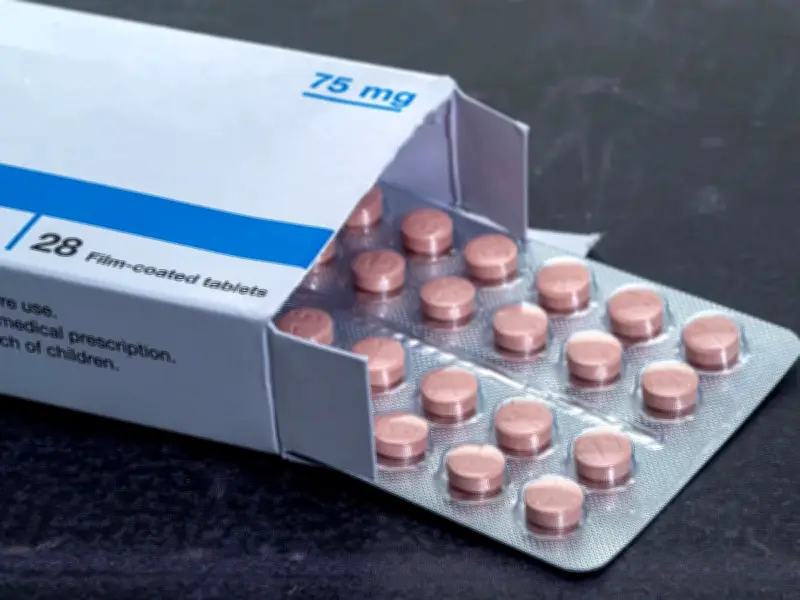
According to the British Heart Foundation, an estimated seven to eight million people in the UK take statins daily to lower cholesterol and reduce the risk of heart attacks and strokes. The most frequently prescribed statins in the UK include Atorvastatin and Simvastatin.
Expert's warning on long-term statin use
Most people need to take statins for a long time, and for some, the rest of their lives. According to experts, cholesterol levels typically begin to decline within four weeks of starting the medication. It usually takes about one to three months to see the full cholesterol-lowering effect.

For those who have been prescribed statins and have been taking them for a long time, a health expert has issued a message. Dr Eric Berg DC, has taken to YouTube to upload a new video titled "What happens to your body after years of taking statins". In the video, the health specialist discusses the effects the medication can have on your body beyond lowering cholesterol.
Dr Eric Berg is a popular online health educator, author, and former chiropractor. He specialises in the "Healthy Keto" diet and intermittent fasting. He currently has 15 million subscribers on YouTube and is a Doctor of Chiropractic (DC).
Potential side effects and CoQ10 connection
Dr Eric Berg warns that while statins block cholesterol production, they also inhibit the production of a co-enzyme called Q10, which he says is vital for heart and muscle energy. He highlights several potential side effects associated with this that may impact some people who take statins, including:
- Increased risk of tendon rupture
- Exercise intolerance and fatigue
- Muscle pain and weakness
He said: "When you take a statin, you are blocking the production of cholesterol, but you're also at the same time blocking the production of something your heart and your muscles depend on. And that is called co-enzyme Q10. Co-enzyme Q10 is a compound that the mitochondria need to produce energy, especially in your heart and your muscles."
Listing the potential associated risks, he added: "Increased risk of tendons rupturing, especially if you're exercising. You get exercise intolerance, and you're so tired you just don't feel like exercising... muscle pain, weakness, fatigue."
What is CoQ10 and why is it important?
The British Heart Foundation (BHF) says that CoQ10, which is also called Co-enzyme Q10 or ubiquinone, is a substance similar to vitamins that exists in every cell of your body. It is especially abundant in the heart and brain.
CoQ10 plays a crucial role in helping your cells generate energy. It might also act as an antioxidant, helping reduce inflammation and support the health of your blood vessels.
Some researchers believe lower CoQ10 levels contribute to the muscle pain or fatigue that a small percentage of people feel while taking statins. Although researchers are still looking for a clear connection, many believe that low levels of CoQ10 are a major reason why some people experience muscle problems related to statin use, like weakness, pain, or cramps. Statins are very important for preventing heart attacks and strokes. It's essential to talk to your doctor before stopping them.
Can I just take CoQ10 supplements?
Health organisations, such as the BHF, usually don't recommend CoQ10 supplements for muscle pain caused by statins because the research findings are mixed. If you're experiencing muscle pain or have worries about your medication, talk to your GP before you start any new supplements or stop taking your prescribed Atorvastatin or any other statin.
BHF says: "Statins reduce the amount of cholesterol your liver makes. They do this by blocking a chain of chemical reactions in your body’s cells which is needed to make cholesterol. This same chain of reactions is also used to produce CoQ10. So, taking statins may lead to lower levels of CoQ10."

One theory is that lower levels of CoQ10 in the body might be linked to the muscle cramps and aches that some people experience when taking statins. However, studies looking at the effect of taking CoQ10 supplements on muscle pain are mixed and inconclusive. Muscle pain and cramps are difficult to diagnose and may be affected by the dose and type of statin, as well as a person’s age, gender, genetics and overall health.