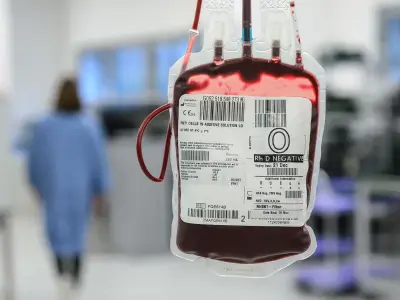
A landmark trial has shown that statins cut the risk of major cardiovascular events by 30% in people aged over 70, potentially leading to wider NHS prescribing for the elderly.
The first ever large randomised controlled trial examined whether statins should be used in this older age group before people develop conditions like cardiovascular disease, diabetes or dementia. Over the six-year study period, these events were defined as heart attack, stroke or any death from a heart-related cause.
Findings presented at European Society of Cardiology Congress
The findings, unveiled at the European Society of Cardiology Congress in Munich, could lead to the NHS prescribing statins more widely as a preventative drug for the elderly. Only four in ten over-70s in the UK are taking statins, but the trial results could encourage clinicians to recommend them for the five million Brits not on them.

Lead researcher Professor Sophia Zoungas, from the Monash University School of Public Health and Preventive Medicine in Melbourne, Australia, said: “With the world’s population ageing at an unprecedented rate, answering fundamental questions about healthy longevity has become a universal imperative.”
“The risk of heart attack and stroke is a concern for older people and knowing there is an effective measure for lowering that risk will be a huge reassurance to older people and their families. We hope to see updated guidelines to help clinicians make use of these new findings.”
Concerns about side effects and polypharmacy
Many people have been reluctant to take statins because of concerns about side effects. Statins can cause muscle aches and fatigue and some users report that they have an impact on daily physical movement and quality of life. Over-70s also tend to be taking a number of regular medications and this “polypharmacy” increases the risk of harmful drug reactions. For this reason doctors tend to be cautious about medicalising people who are generally fit and healthy for their age.
Dr Roy Jogiya, chief medical advisor at Heart Research UK, said: “These are important findings. We already know statins reduce heart attacks and strokes in people with established cardiovascular disease, but there has been less certainty about starting them purely for prevention in healthy people over 70. This suggests many more older people could benefit from statins.”
“It shouldn’t mean prescribing statins to everyone over 70. Rather it gives us much stronger evidence to consider them in older people who might previously have been thought unlikely to benefit from preventative treatment.”
Current NHS prescribing guidelines
Whether statins should be handed out as a preventative drug to help people live longer in good health is still hotly disputed. Currently the NHS only prescribes statins to people who already have cardiovascular disease and those it considers to be at high risk of developing it in the next decade.
The NHS states that you may be deemed at high risk if a health assessment (called QRISK) deems you at high risk in the next 10 years based on factors such as your age, sex, ethnicity and cholesterol levels, if you have a condition that puts you at risk of cardiovascular disease such as diabetes, chronic kidney disease or inherited high cholesterol, or if you are aged 85 or over.
How statins work and trial results
Cholesterol is a fatty substance in your blood that helps to make vitamin D and some of your hormones. If you produce too much it can block blood vessels and stop them working properly. High cholesterol can cause cardiovascular disease which can cause heart attacks and strokes. Statins lower the amount of cholesterol your body makes to prevent its build-up in the blood vessels to keep them working properly.
Despite showing that over-70s on statins were less likely to have a fatal heart attack, the STAREE trial produced a seemingly contradictory result for its second primary endpoint. It assessed whether those on statins tended to have longer disability-free survival - defined as survival free of dementia and physical disability. The findings, also published in the New England Journal of Medicine, showed statins did not significantly improve disability-free survival. However a previous study by Oxford University suggested that statins do improve healthy life expectancy in over-70s.

Dr Sonya Babu-Narayan, clinical director at the British Heart Foundation, said: “There have been unacceptable gaps in the evidence when it comes to older people because all too often they have been excluded from clinical trials.”
“The results of this large Australian trial in people aged 70 and over provides good evidence that statins are safe for older people to take, which is increasingly relevant as our population ages. While statins didn’t reduce the chances of older people dying, fewer people who took statins had a heart attack or needed a procedure to restore blood flow through narrowed or blocked coronary arteries during the six-year follow-up.”
Separate research presented at the major gathering of the world’s leading cardiologists suggested that statins reduce your chances of developing dementia. The study showed those on statins were 15% less likely to get the degenerative brain condition. The findings also published in the Lancet looked at patients with Type 2 diabetes but experts believe the protective effect could extend to all users of the drug.
Dr Babu-Narayan added: “If you have high cholesterol, whether or not to take a statin is ultimately a decision that should be based on an informed conversation between you and your doctor.”