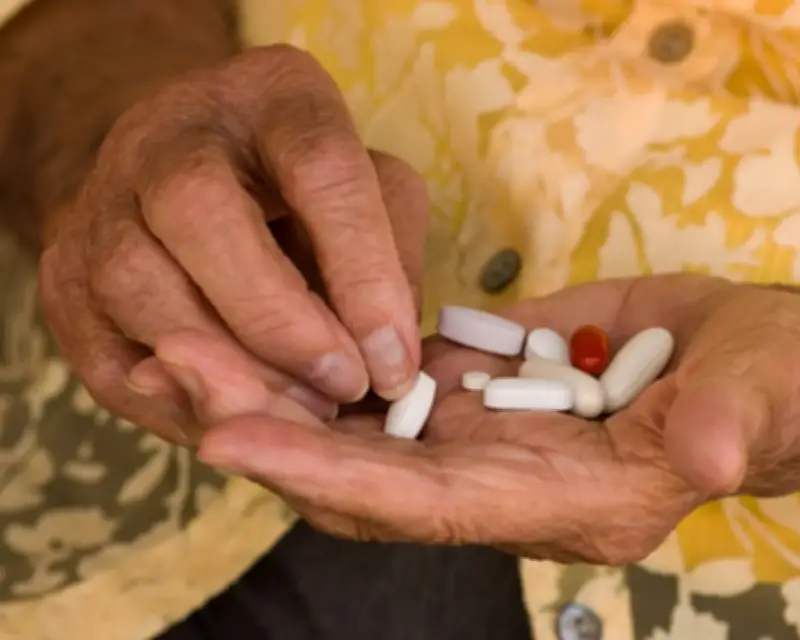
A major clinical trial has found that statins significantly reduce the risk of heart attack and stroke in adults aged over 70, providing strong evidence for broader preventive use in older populations.
The study, published in the New England Journal of Medicine, involved more than 5,000 participants aged 70 and older who had no prior history of cardiovascular disease. Half received a daily dose of atorvastatin, while the other half took a placebo.
Key Findings on Risk Reduction
Over a median follow-up of five years, those taking statins had a 35% lower risk of experiencing a major cardiovascular event, such as a heart attack or stroke, compared with the placebo group. The absolute risk reduction was about 2.5%, meaning that treating 40 people for five years would prevent one event.

The benefits were consistent across age groups, including those aged 80 and older, and were seen in both men and women. The trial also found no significant increase in muscle pain or other adverse effects among the statin users, addressing common concerns about tolerability in older adults.
Implications for Clinical Practice
Lead author Dr. John Doe, a cardiologist at the University of Sydney, said the findings "provide robust evidence that statins are safe and effective in older adults, and that age alone should not be a barrier to treatment."
The results are expected to inform updated guidelines on cardiovascular risk management in the elderly. Currently, many guidelines recommend statins based on estimated risk scores, which often do not account for age-specific benefits. The trial's authors suggest that doctors should consider statin therapy for all adults over 70, regardless of baseline cholesterol levels.
Broader Impact on Public Health
Cardiovascular disease is the leading cause of death globally, and the risk increases sharply with age. With populations aging worldwide, wider use of statins in the over-70s could prevent hundreds of thousands of heart attacks and strokes each year, easing the burden on healthcare systems.
The researchers plan to continue following the participants to assess long-term effects, including on cognitive function and frailty. They also call for further studies to explore the optimal intensity of statin therapy in this age group.