
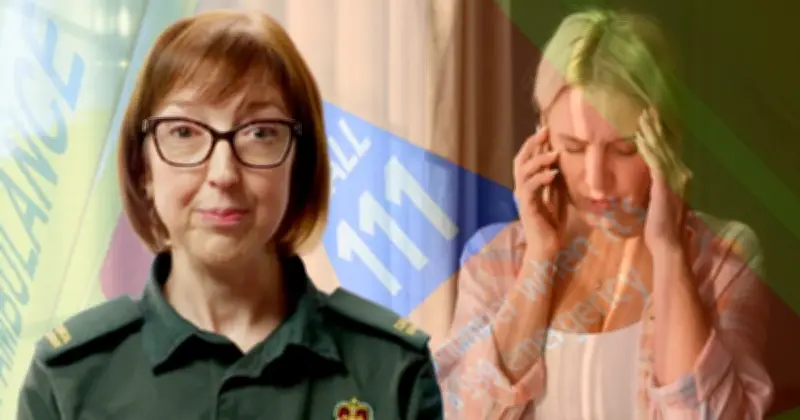
NHS 111 health advisor Jack Gibson, 34, has handled over 10,000 calls in three years, including a memorable squirrel bite case. The caller encountered a bushy-tailed assailant in a park, prompting advice on wound cleaning and a likely referral for a tetanus injection.
Behind the Scenes at NHS 111
Jack, from Devon, started working for the 24/7 medical advice helpline almost three years ago, transitioning from an NHS auditor role. Other unusual calls include a cat bite in Morocco requiring rabies injections, a child with tummy ache caused by a sibling jumping on their belly, and youngsters with foreign objects stuck in inappropriate places.
Despite the variety, Jack is not medically trained. He spent a month learning NHS Pathways, a clinical triage software that systematically rules out dangerous causes before directing patients to appropriate care. Local training and coaching followed before he began taking real calls.
Training and First Calls
Jack learned to recognise symptoms of heart attack, stroke, or sepsis, and when to contact clinical advisors. His first call was nerve-wracking: "I was overthinking every call. Now I've probably taken over 10,000 of them." He used to do six-hour shifts, taking up to 35 calls when busy.
He notes seasonal variation: "Weather's a big factor. Christmas Day tends to go really quiet, but other days around Christmas can be really busy."
Service Growth and Impact
The NHS began piloting 111 in 2010, triaging 277,000 calls in its first year covering 1.8 million people. Now available across Great Britain, England's service handled almost 20 million calls over the last 12 months. In May, over 1.7 million calls were triaged, with a median time of five and a half minutes from triage start to care advice.
Call handlers offer self-care advice, book out-of-hours GP appointments, refer to pharmacies, urgent care, mental health services, or A&E, and dispatch ambulances. The goal is to reduce pressure on A&E departments.
Emotional Resilience and Patient Stories
Jack explains: "The system might determine that the person with a squirrel bite can just contact their GP for a tetanus jab and doesn't need to sit in a hospital." The system, built by clinicians, guides health advisors through triage.
Staff are trained for emergencies. Jack says: "You just need to move on from one call to the next. For emergency calls, we always offer five or 10 minutes off the phone." He resets through prayer; others carry on or get fresh air. The majority of callers are grateful, but some are abusive; repeat offenders may face prosecution.
Bob Peal, 61, from Ipswich, called 111 in November 2024 with worsening abdominal pain. He was phoned back within 30 minutes by a doctor, diagnosed with appendicitis, and sent for keyhole surgery. He says: "I was seen by the doctor before 11, and I was in the hospital by lunchtime. By the end of the day, I'd had the appendix removed." He encourages others to use the service.
Clinical Advisors and Future Improvements
Clinical advisor Natalie Randall, 46, a former paramedic, works at 111 in Ashford, Kent. She says: "I still get to help people during some of their worst days. No two days are ever the same." She recalls a frequent caller who would ask what to have for dinner, treated with respect and care.
Dr Radha Modgil, NHS GP and TV doctor, says: "NHS 111 can be the most convenient first step if you're worried about symptoms that can't wait. Using NHS 111 helps people get the right care when they need it."
Dr Gareth Stuttard, NHS England's national clinical lead for urgent and emergency care, notes that the average time to answer a call dropped from 7 minutes 21 seconds to 51 seconds in the last three years. Patients get call-backs from clinicians on average just over an hour and 20 minutes after speaking with 111. Online and NHS App assessments are also available.




