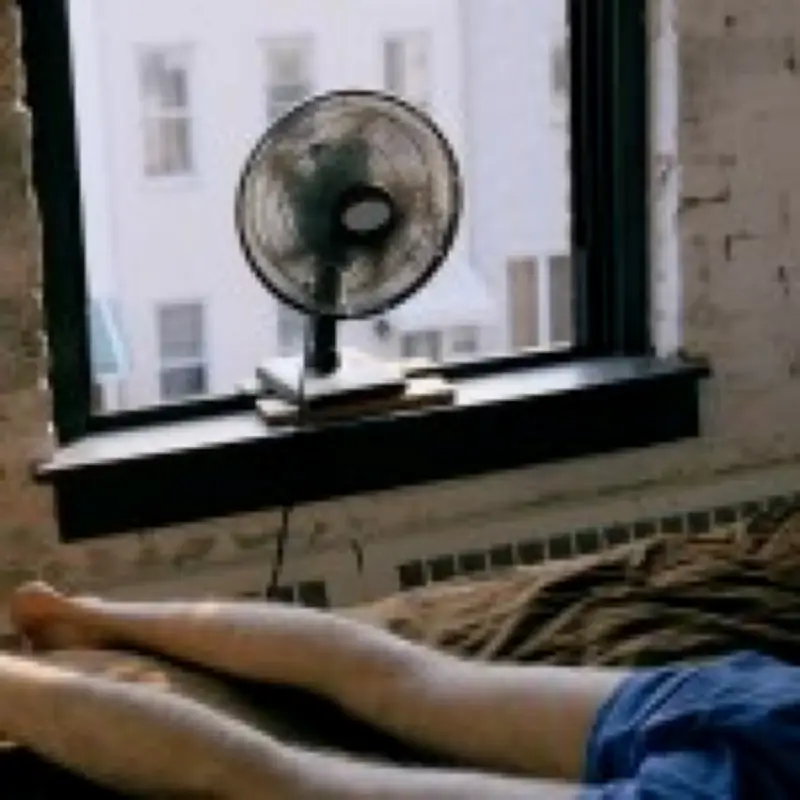
As temperatures soar above 35°C in parts of the country, many people without air conditioning rely on fans to get a decent night's sleep. However, experts say sleeping with a fan on all night has several downsides, from triggering allergies to drying out your skin.
Allergies and asthma
Dr Hana Patel, NHS GP and resident sleep expert at Time4Sleep, told Metro: 'Those who experience allergies, especially allergies to dust or hayfever, may find that their symptoms are agitated by sleeping with a fan. This is because the fan will circulate allergens around the room, increasing the likelihood of them being breathed in, or coming into contact with your skin.' Waking up with a sore throat, itching or sneezing are common signs. The fan can stir up dust mites, spores or pollen, making asthma worse. Dr Patel says 'it may be a good idea to avoid sleeping with a fan' in such cases, as 'you are likely to find that the fan will cause more issues than benefits, due to it inflaming your medical condition. This is especially the case for children.'
Congestion
Sleep therapist Natalie Pennicotte-Collier, resident sleep expert at MattressNextDay, explained: 'A fan running all night progressively dries the mucosal membranes lining your nose, throat and upper airways. Your body responds by producing more mucus.' This can leave you feeling bunged up despite the summer heat.

Muscle pain
Dr Patel noted that if the fan is close to you, 'the consistent cold air leads to your muscles tightening as you sleep, causing you to feel aches when you wake up.' This can also worsen pre-existing issues like cramping.
Dry eyes, mouth and skin
Dr Patel likened the effect to that of a long-haul flight, advising: 'The key is to moisturise before and after bed to prevent irritation.' Tina Patel, contact lens optician at Feel Good Contacts, added that eyes can feel 'dry, gritty or irritated, especially if it's blowing directly towards your face. This effect is often worse in already warm, dry environments, or for those with sensitive eyes.' She recommends 'applying eye drops and switching to glasses in the evening may help reduce irritation overnight.' Natalie warned that many clients struggling with early morning waking 'convinced it is stress or anxiety, are actually experiencing the overnight effect of airway dryness from fan exposure.'
How to reduce the negative impact of your fan
If you cannot break the habit, experts suggest these tips:

- Put the fan in the hallway with bedroom doors open. Dr Patel says: 'This allows the air to circulate between rooms without many of the negative effects of having a fan in the same room.'
- Use the fan to cool the room before sleep, or set a timer so it switches off after an hour.
- Point the fan towards the ceiling or a wall, not directly at your face or body.
- Wipe down the fan blades prior to use to reduce dust circulation. Regularly vacuum and dust the bedroom.
- Natalie says: 'Stay well hydrated through the day and keep water by your bed. Counteracting the drying effect of fan use starts with good hydration.'
- Consider other cooling methods such as temperature-regulating mattress toppers and breathable bedsheets if issues persist.