Patients have described how donated blood transformed their lives during Sickle Cell Awareness Month, as the NHS urgently calls for thousands more donors. The NHS currently supplies only about half of the blood needed by people with sickle cell and requires at least 16,000 additional Black heritage donors, who are more likely to have the vital RO blood subtype.
Early diagnosis through newborn screening
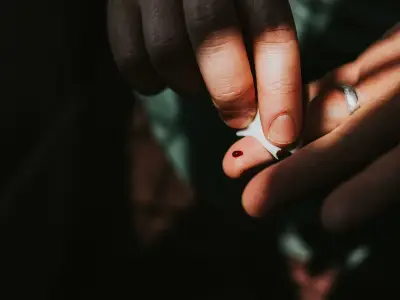
Caroline Fyneface, 23, was among the first generation of babies to benefit from England’s newborn screening programme, which marks 20 years since its nationwide rollout was completed this year. A simple heel prick at birth meant doctors knew she had sickle cell before she experienced its effects.
She was 13 when she suffered her first serious sickle cell crisis, and hospital admissions became increasingly frequent, at times happening every month. Sickle cell is an inherited blood disorder where red blood cells become sickle-shaped rather than circular, causing agonising blockages which can damage organs and lead to serious complications including blindness and strokes.

Caroline told the Mirror: “I think my life would be different [without the screening]. I don’t think I would have known about sickle cell until that time when I was 13 and having that first crisis. It would’ve been even scarier having to navigate that at that age.”
Red cell exchanges transform health
While studying Law with Criminology at Oxford Brookes University, Caroline said: “In my undergraduate I spent more time in hospital than I did at lectures, and I feel like I missed out on so much of the university experiences.”
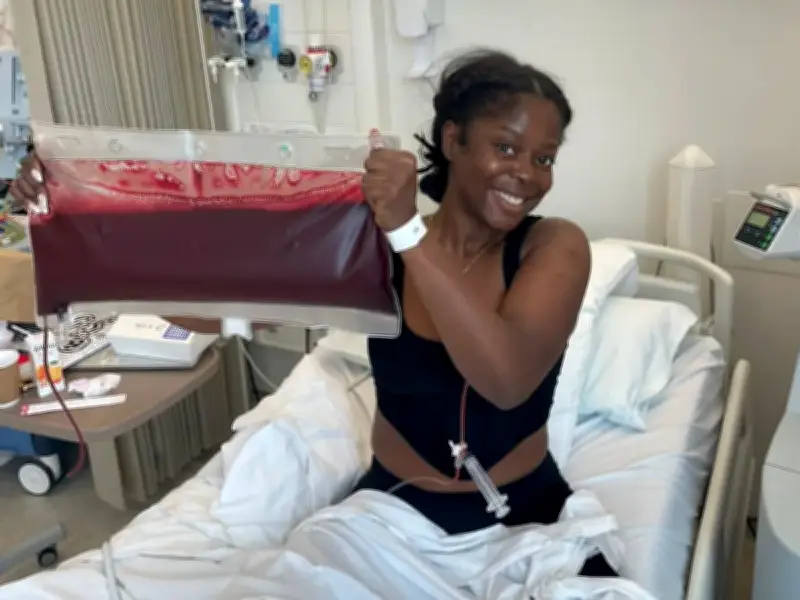
Two years ago, she began receiving regular red cell exchanges, which replace sickled cells with healthy red blood cells from donors. She relies on seven to eight bags every seven weeks. She said: “I get exchanges every seven weeks where I’m left with bruises and sores all over, but when I get my energy back - it’s almost like I’m a new person.”
Caroline has now started her Master’s degree in Legal Practice as she works towards qualifying as a solicitor. Her admissions have fallen from almost every month to about five in two years. She said: “I feel like I’ve had a new lease of life because I’ve been hospitalised less. I’ve definitely had more time to be a young person rather than a young sick person.”
Urgent need for more donors
More than 19,000 people in England live with sickle cell. Before newborn screenings became universally available, some children were only diagnosed after becoming seriously ill, sometimes with life-threatening complications.
Caroline said: “We really need more and more blood, and especially from Black heritage communities. I don’t think I can imagine how I would feel having to be turned away because there’s not enough blood for me to take it.”
For 22-year-old politics student Yann-Elie Asket, from Greenwich, the decision to donate is personal. He was still at primary school when his younger cousin died from complications of sickle cell. He told the Mirror: “I remember being in Year 4 and hearing that my cousin passed away due to sickle cell complications, and seeing the effects that sickle cell actually had before even understanding what it was. But it was not until Year 10 that I properly understood what sickle cell actually does to someone. Unfortunately that was after I already felt the effects of it.”
Years later, seeing his close friend Abby live with sickle cell prompted Yann-Elie to research how he could help. He discovered the importance of donation and that his O positive blood had the highly-sought after RO subtype. He said: “If given a little bit of my time and a little bit of my blood can be someone else’s suffering even in a small way, then that’s something I want to do and really advise other people to do as well.”
Stories brought to the stage
For writer and actor Nikki Fagbemi, donated blood has meant fewer days in a hospital bed and helped turn those experiences into a story now being told on stage. She receives about 10 units of blood every six weeks through regular red cell exchanges.

Those experiences inspired Bed Five, the one-woman play she took to the Edinburgh Fringe Festival. It was also shaped by the death of her friend Isau, who lived with sickle cell, which forced Nikki to confront her own “mortality”. Nikki said: “Taking Bed Five to Edinburgh feels incredibly special because it’s an opportunity to tell an authentic story that isn’t often seen on stage. If audiences leave understanding sickle cell a little better, or if someone decides to become a blood donor because of it, then that’s an amazing result.”
She added: “It was the last few years that I’ve kind of realised that my sense of humour is really what gets me through life. I’m in a space that is like if you don’t laugh you’re going to cry and I’m tired of crying.”
Iyamide Thomas, NHS Engagement Lead for Screening Programme at the Sickle Cell Society, said: “The past 20 years have brought significant progress for people living with sickle cell disorder. Newborn screening means babies can be diagnosed before they become seriously unwell and connected to specialist care from the very beginning of their lives. Early diagnosis is only the start of a person's journey with sickle cell. We are now seeing the benefits of advances in treatment, including red cell exchange, which can make a profound difference to people who experience frequent and severe sickle cell crises. But these treatments depend on having access to a reliable supply of closely matched blood.”