Scientists have discovered why the bacteria behind the UK's worst-ever Meningitis B outbreak proved so dangerous, as the NHS continues to stress the importance of knowing the symptoms of meningitis.
More than 20 young people, mostly students, were infected during the outbreak in Kent in March, which was linked to a nightclub in Canterbury. All 21 people diagnosed with invasive meningococcal disease required hospital treatment, nine needed intensive care and two people died.
Genetic analysis reveals cause
Scientists from the UK Health Security Agency (UKHSA) and the University of Oxford studied the DNA of the bacteria responsible and found it had picked up genetic material from other, less harmful bacteria naturally found in people's throats.
The process, known as horizontal gene transfer, allowed the bacteria to acquire new genetic traits. Researchers say these changes appear to have altered how the bacteria interacted with human cells, helping the particular strain cause unusually severe disease.
Meningitis symptoms to watch for
The symptoms of meningitis can develop suddenly and may include a high temperature (fever), very cold hands and feet, a stiff neck, joint and muscle pain, a severe headache that is getting worse, eye pain when looking at bright lights, seizures (fits), vomiting and diarrhoea, confusion, being very sleepy or difficult to wake, and spots or a rash that does not fade when pressed with a glass.
A rash may be harder to see on brown or black skin, and not everyone with meningitis will develop one. Babies and children under five may also not want to feed, have a high-pitched or unusual cry, have a stiff body or be floppy or unresponsive, or have a bulging soft spot on the top of their head.
Some early symptoms of meningitis can look similar to flu, a stomach bug or even a hangover, making it difficult to recognise at first. The NHS warns that someone with meningitis "might not have every symptom listed". It advises people to get immediate medical help if they or their child are unwell and they think something is seriously wrong.
Vaccination and risk reduction
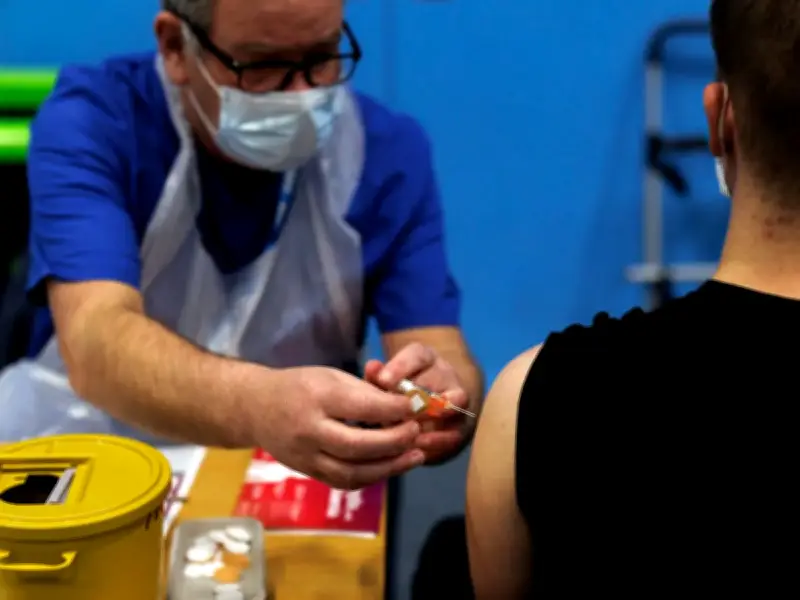
Vaccination is one of the safest and most effective ways to protect against meningococcal disease. As part of the NHS vaccination schedule, children and teenagers are offered vaccines that protect against some of the main causes of meningitis, including MenB, MenACWY, pneumococcal, 6-in-1 and MMRV vaccines.
Following the Kent outbreak, the government introduced a time-limited MenB vaccination programme aimed primarily at school leavers and first-year university and higher education students. UKHSA has urged students starting university to make sure they are protected, with recent figures showing that MenB accounted for 97% of invasive meningococcal disease cases among 15 to 24-year-olds in England during 2025/26.
UKHSA said genomic analysis of the Kent outbreak strain showed that the MenB vaccine being offered provides protection against it.
What causes meningitis and treatment
Meningitis can be caused by different types of viruses or bacteria. Meningococcal bacteria can be spread through close contact with someone carrying them, including through saliva, such as kissing or sharing drinks or vapes. The bacteria are commonly carried harmlessly in the nose or throat, particularly among young adults, including university students. In rare cases, they can invade the body and cause meningitis or septicaemia.
Although anyone can develop meningitis, it is more common in babies and young children, teenagers and young adults, older people and those with a weakened immune system. It is also possible to get meningitis more than once.
Treatment depends on whether meningitis has been caused by a bacterial or viral infection, with tests usually carried out in hospital to establish the cause. Viral meningitis often gets better on its own within seven to 10 days and can sometimes be treated at home with plenty of rest, painkillers and anti-sickness medicine. Bacterial meningitis needs urgent hospital treatment, usually for at least a week. Treatment can include antibiotics given directly into a vein, fluids given through a vein and oxygen through a face mask.
The Kent research also highlights why scientists continue to monitor meningococcal bacteria closely. UKHSA says similar highly invasive strains can emerge suddenly and unpredictably, although the genetic changes that made the Kent strain so dangerous may also help explain why it has not continued to spread widely since the outbreak was brought under control.