Hospital wards in Wales have been forced to close their doors as a precaution due to an outbreak of scabies, the Victorian-era skin condition.
A small number of patients at the Llewelyn Ward at Bronllys Hospital in Brecon, Powys, were found to have been infected, leading to restrictions on the ward. Visitors have been restricted to allow staff to treat patients who contracted the rash, which spreads easily through skin-to-skin contact.
Precautionary measures
Gareth Thomas, head of nursing for infection prevention and control at the hospital, said: "Although the number of cases remains low, we have taken the protective decision to treat patients and staff on the ward to prevent any further spread."
He added: "Scabies is a common and treatable skin condition, and these measures are being implemented as a precaution to protect our patients, staff and visitors. We apologise for any inconvenience this may cause and would like to thank patients, families and carers for their understanding and continued support during this time."
Wider situation
More scabies outbreaks have been recorded in residential homes in Wales, according to the health board. A Hywel Dda University Health Board spokesperson told The Western Telegraph: "The health, safety and wellbeing of our communities is our priority, and we want to keep people informed about the current situation regarding cases of scabies in some health and care settings in Carmarthenshire."
"This is not widespread and it is confined to a small number of residential homes and a couple of our hospital wards."
Other hospital wards at Prince Philip Hospital in Llanelli were affected last month but have since reopened, aside from Mynydd Mawr Rehabilitation Unit, where restrictions remain in place. A statement on the website said: "We continue to see patients presenting to hospital with scabies acquired in the community, rather than cases necessarily being linked to the hospital outbreaks."
"As a precaution, visitors who have an unexplained rash, itching or suspected/confirmed scabies should not visit until they have sought appropriate advice and completed any required treatment. The position at Mynydd Mawr Rehabilitation Unit will continue to be reviewed, with visiting restrictions lifted when it is appropriate to do so."
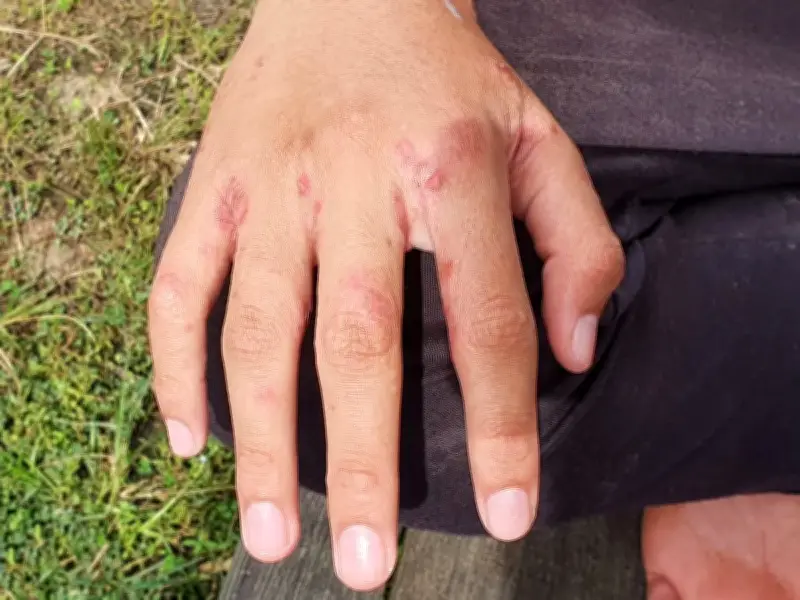
According to the NHS, scabies forms an itchy rash caused by mites and should be treated quickly to prevent it spreading further. Symptoms include intense itching and a raised rash of spots, commonly affecting the skin between the fingers, around wrists, under the arms, around the waist, groin and bottom.