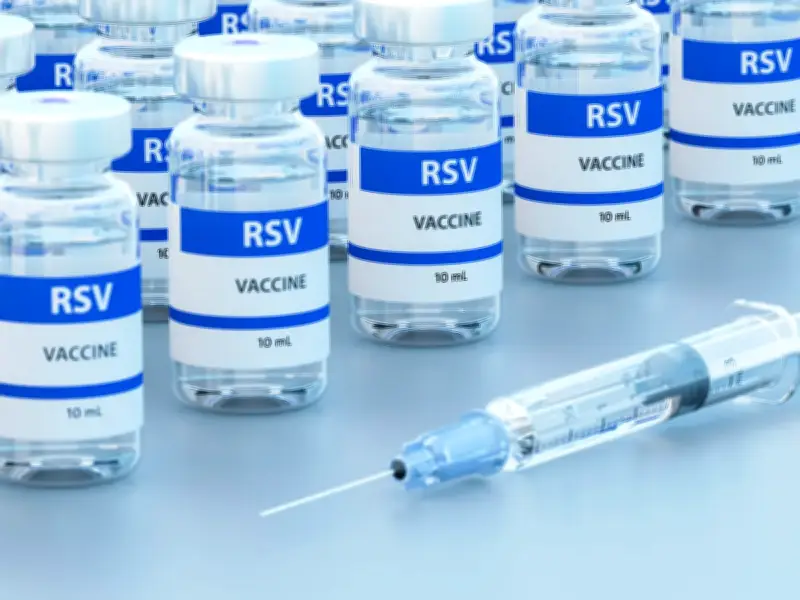
Intensive care admissions for babies with respiratory syncytial virus (RSV) in the North East fell by more than half last winter compared to the year before, a drop NHS leaders attribute to the region's high uptake of a new vaccine.
In the 2025/26 winter season, 63 babies under six months required intensive care for RSV, down from 131 the previous year. The RSV vaccine was launched in 2024, and the North East and Yorkshire region has one of the highest vaccination rates in the UK, with 65% of mothers receiving the jab during pregnancy, exceeding the national average of 63%.
Vaccine Impact on ICU Admissions
Ben Anderson, director of population health at NHS North East and North Cumbria Integrated Care Board (ICB), described the figures as "really encouraging" and a "powerful reminder" of the vaccine's benefits. "Seeing intensive care admissions among young babies more than halve since the programme was introduced is a powerful reminder of the protection vaccination during pregnancy can give," he said.

RSV is a potentially lethal infection in the most vulnerable, causing mild cold-like symptoms in most people but leading to breathing problems and bronchiolitis in very young babies, the elderly, and others susceptible to illness.
Regional Uptake and Recommendations
Anderson urged more families to take up the vaccine, noting that while the region's uptake is above average, they want even more to benefit. The RSV vaccine is recommended during every pregnancy, ideally around 28 weeks, but is available to those further along. It helps the expectant mother produce antibodies passed on to the baby, protecting it from birth.
RSV infections typically rise during autumn and winter, putting babies born in late summer and autumn at highest risk. The vaccine is available to those who are 28 weeks pregnant, and the NHS advises speaking to a maternity team or GP practice about getting it.