

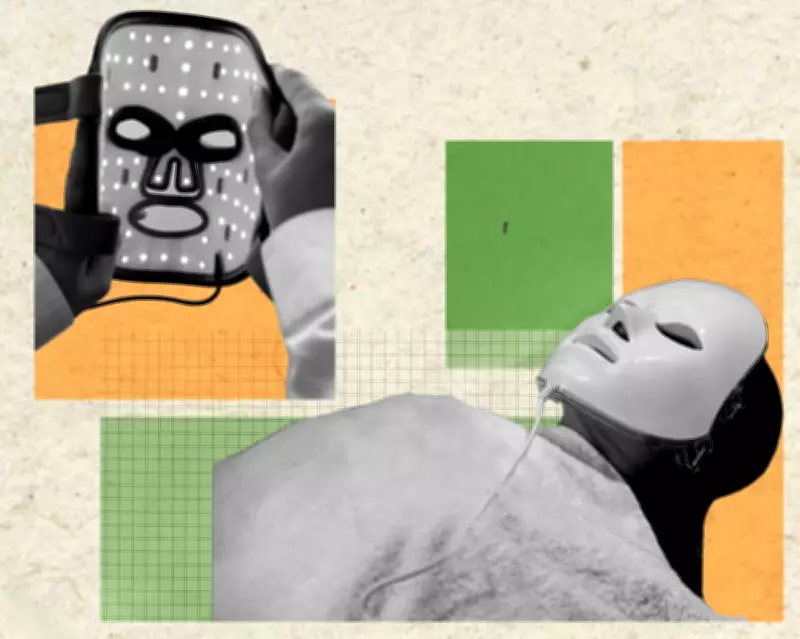
Red light therapy has seen a massive resurgence in popularity, particularly on social media platforms like TikTok and Instagram, where users showcase glowing red masks and devices. Yet despite its current trendiness, this therapy has been around for decades, with discussions of its potential benefits dating back to the 1990s. The fundamental question remains: what can shining red lights on your skin actually achieve?
Claims and Evidence
Proponents of red light therapy make bold assertions: it stimulates cellular regeneration, accelerates wound healing, alleviates pain, combats acne, reduces wrinkles, and rejuvenates the skin, often promising visible results in just a few sessions. However, the scientific evidence backing these claims is notably weak. The ease of conducting small trials—requiring only a few red LEDs and willing participants—has led to a proliferation of studies, but most are small-scale and poorly designed.
For instance, one trial conducted by a medical light company used its own employees as the control group. Another study contained obvious percentage errors and numerical inconsistencies. Such issues are common in the literature, which includes thousands of papers on LED skin treatments for conditions ranging from post-operative pain to acne scars. Many are tiny, lack proper controls, and fail to standardize key variables like light wavelength, intensity, and session duration.

Challenges in Research
Blinding participants to treatment is virtually impossible—people can tell if they are receiving red light—and outcome measurements are often subjective. Researchers may unconsciously assess wrinkles differently when they know which group a participant belongs to. Although some studies attempt to control for these biases, eliminating them entirely from experimental designs is challenging.
What Does the Evidence Say?
Despite these limitations, not all research is terrible. There is some data supporting red light therapy, though it is far from robust. Without strong evidence from at least one well-conducted trial, it is impossible to know with certainty whether shining red lights on the skin produces any meaningful effect. It is possible that the therapy might reduce wrinkles or aid slow-healing wounds, but the evidence is weak.
For individuals with severe acne scarring or non-healing wounds, trying red light therapy might be worth considering. At worst, it results in wasted money and a slightly foolish appearance. At best, it might offer some benefit. However, one should not expect miracles—it is, after all, just light. A 10-minute walk outside could provide similar benefits.
Dr Gideon Meyerowitz-Katz is an epidemiologist and science communicator, and a senior research fellow at the University of Wollongong. This article is part of the Antiviral series, which scrutinizes health headlines and wellness claims.






