
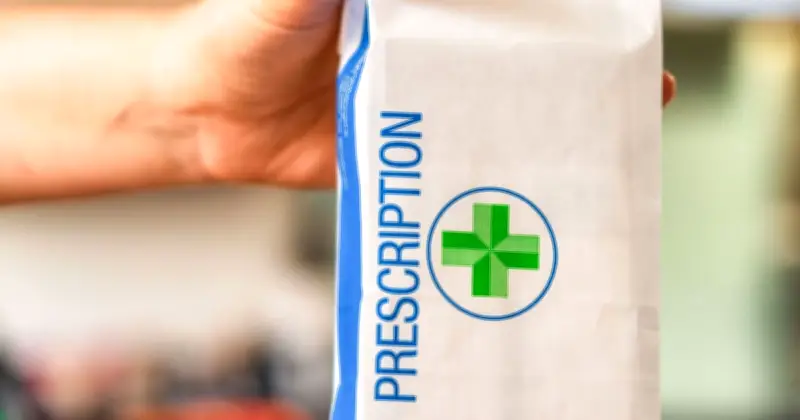
Pharmacists will be given new powers to supply alternatives instead of sending patients back to their GPs when a prescribed medicine is out of stock. Under Government plans, chemists will be able to supply drugs in different strengths or forms when needed.
Health officials said the change would particularly benefit older people, those with limited mobility and people in remote areas, by reducing repeat visits to pharmacies. It will also cut the number of calls to GPs asking them to approve a second prescription.
Flexibility for patients
Public Health Minister Diana Johnson said: “When you go to the pharmacy to pick up your prescription, there is nothing worse than being told you need to contact your GP again because the exact medicine they've prescribed isn't available at that time, or in that form. A little extra flexibility for the pharmacy to make life a little easier for patients.”
The flexibilities will apply in specified circumstances and will not extend to generic or therapeutic substitution.
Pharmacy leaders respond
The plans were welcomed by pharmacy leaders who campaigned for greater freedom to tweak prescriptions when needed. Tase Oputu, president of the Royal College of Pharmacy, said: “This is a welcome step to enable pharmacists to use their expertise and professional judgement to help patients obtain the medicines they need both quickly and efficiently. As well as improving the patient experience, this move will help reduce pressure on the NHS by removing an avoidable administrative burden.”
The change comes amid ongoing supply problems affecting around 100 drugs. Henry Gregg, chief executive of the National Pharmacy Association, said the proposal was “sensible” but could have gone further.
He added: “We think the Government should review these changes when they have settled down to see if further reform would help patients. Medicine shortages are endemic and blight pharmacies and their patients every day. These measures are a step forwards but do not fix the underlying causes of shortages. The UK pays far less for its medicines than other countries, such as Germany, France and Spain. It's clear the government undervalue its medicines, including underfunding vital local pharmacies. They must take action so that manufacturers don’t favour other countries when stocks are low internationally.”
Concerns over costs
Dr Leyla Hannbeck, chief executive of the Independent Pharmacy Association, said “common sense has finally prevailed”. She added: “This is a step in the right direction but does not go far enough to tackle the root cause of medicines shortages and the rising costs of medicines that pharmacies are currently facing.”
Ms Hannbeck warned that rising energy costs are likely to trigger further price increases by wholesalers and manufacturers. She added: “Unless the government steps in and supports community pharmacies with funding to manage these increases in costs, many will not be able to keep their doors open and we will see disturbance in the supply of medicines.”




