
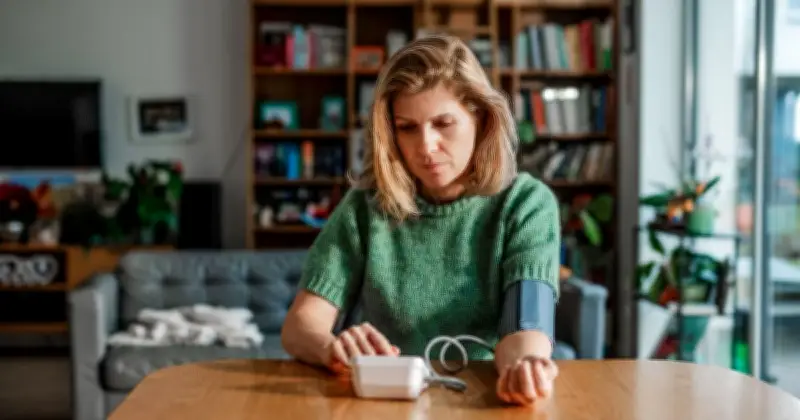
A pharmacist has issued an urgent warning to people taking the blood pressure medication amlodipine, urging them to watch out for four symptoms. The alert comes as the NHS reports an “alarming rise” in emergency hospital admissions linked to high blood pressure across the UK.
During the weekend, the NHS said that emergency admissions linked to high blood pressure have seen a 77% rise from 2019/20 to 2025/26, going from 24,481 to 43,306.
Why high blood pressure is dangerous
Often referred to as the "silent killer", high blood pressure can develop without obvious symptoms while gradually causing damage throughout the body. Elevated pressure places extra strain on artery walls, which carry blood from the heart to the brain and other organs.
Over time, these blood vessels can become less flexible and start to narrow, making them more vulnerable to the build-up of fatty deposits. This damage can restrict blood flow and significantly increase the risk of serious health emergencies, including heart attacks and strokes.
What the pharmacist advises
Raj Patel, known as therajrpatel online, said: "If I were handing over the first box of amlodipine, after 35 years in pharmacy, here's one thing I'd want to explain. If you were standing in front of my pharmacy counter, I'd make sure you understand these three things."
"First, why you're taking it. Amlodipine relaxes your blood vessels, so it lowers your blood pressure, and for some people, it helps angina attacks, which is chest pain. And you may not feel any different, and that's normal."
"Second, how to take it. Once a day, at the same time, with or after food. Choose a time that you will remember."
"Third, what to notice. Headache, dizziness, flushing, swollen ankles. This can happen when you initially start or when you increase the dose. If something bothers you or isn't settling, ask for a medication review. Don't just stop it yourself. Write down your blood pressure readings and your symptoms. It helps your pharmacist or prescriber see what's happening. The number matters, and so do you."
How to take amlodipine
According to the NHS, amlodipine is available in both tablet and liquid form and is usually taken once a day, ideally at the same time each day. It can be taken with or without food. The dosage and length of treatment will be determined by a doctor, although many people with high blood pressure or angina will need to remain on the medication for the long term.
Patients are advised to follow the instructions provided with their medicine and consult a pharmacist or GP if they are unsure about how to take it or experience any difficulties while using it.




