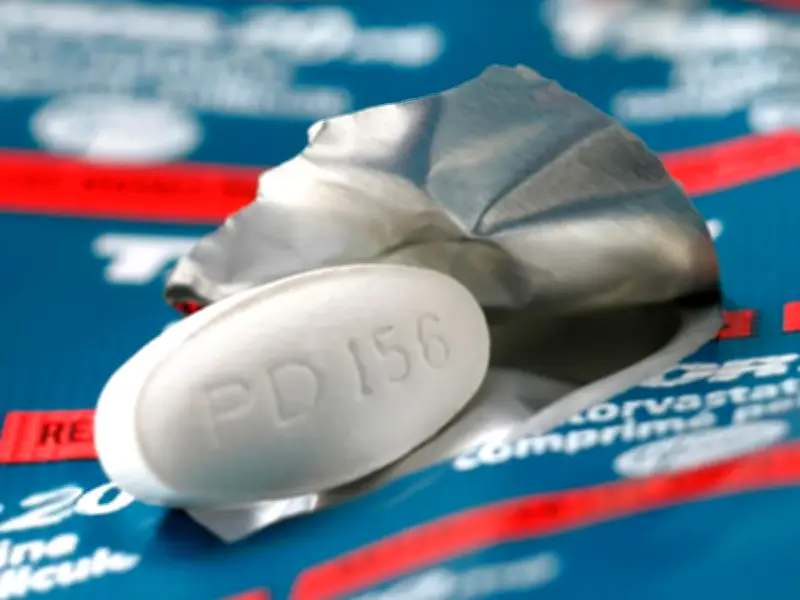
Pharmacist Raj Patel, known as the 'Straight-Talking Pharmacist' on TikTok, has warned that a good cholesterol result is only part of the picture when deciding whether to stop taking atorvastatin. In a recent video, he explained what can happen when someone stops the medication after seeing improved cholesterol levels.
What happens when you stop atorvastatin
Mr Patel said: "Are you thinking about stopping atorvastatin because your cholesterol is now lower? There's something important you need to understand first." He added that usually there are no withdrawal symptoms and people may not feel any different, which is why the situation can be confusing.
He explained that the medicine's effect does not mean the underlying reason for prescribing it has disappeared. "Atorvastatin helps keep your LDL lower while you keep taking it, and if you stop, your cholesterol can rise over time, and if the statin was prescribed to reduce your risk of heart attack or stroke, you may lose some of that protection over time," he said.
NHS and British Heart Foundation advice
The NHS gives similar advice, stating that people usually need to take atorvastatin long term and that cholesterol levels may rise again if they stop. It specifically tells patients to keep taking the medicine unless their doctor advises them to stop.
The British Heart Foundation says most people prescribed a statin will take it for life because the medicines reduce cardiovascular risk over time. It also stresses that people considering stopping should discuss their options with their doctor, who can consider alternatives, dose changes or lifestyle measures.
Ask why you were prescribed it
Mr Patel's main point was that the reason for treatment matters as much as the latest cholesterol reading. He advised asking: "Instead of asking can I stop my atorvastatin, you should ask why was I prescribed it in the first place?"
He noted that someone taking it after a heart attack or stroke may have a very different reason for treatment from someone taking it to prevent their first one. "So if you're thinking about stopping, don't make that decision based only on how you feel or one good cholesterol result," he said.
NICE recommends atorvastatin as first-line treatment for primary prevention in people whose estimated 10-year cardiovascular disease risk is 10 per cent or more, while people who already have cardiovascular disease may be offered high-intensity atorvastatin for secondary prevention.
Research has also examined what happens after people discontinue statins, although such studies cannot prove that stopping directly caused every subsequent event. A large Danish cohort of 67,418 people aged 75 and over found that discontinuation was associated with higher rates of major cardiovascular events than continuing treatment, for both primary and secondary prevention.
Mr Patel concluded: "Have that treatment reviewed and make that decision with your healthcare professional." The NHS also points out that statins are generally taken long term because they help keep the risk of heart attack and stroke as low as possible. Anyone unsure about their prescription should therefore arrange a medication review rather than treating one improved result as a signal to stop.