People aged 65 and over are being urged to keep their homes heated to a minimum of 18C this winter, as a weakened and stretched polar vortex could bring colder, drier air, sleet and snow to the UK in a matter of weeks.
The polar vortex is a large circulation of very cold winds around 30km above the Earth's surface that circulates over the North Pole. The Met Office has warned that it has "weakened and become dramatically stretched", which could affect UK weather, though any impact may take several weeks to develop.
Exceptional development for the season
The forecaster described the disturbed polar vortex as an "exceptional development for this early in the season", with early forecasts suggesting it will become "increasingly displaced from the North Pole". However, what influence this will have on UK weather is still too early to tell.
The Met Office said the polar vortex is being "monitored closely", but the current cold snap this week is down to high pressure and colder air from the Arctic. With a long winter ahead and the prospect of bitterly cold conditions looking likely, people over 65 are urged to take steps to protect against the chilly weather.
Public Health England guidance on 18C threshold
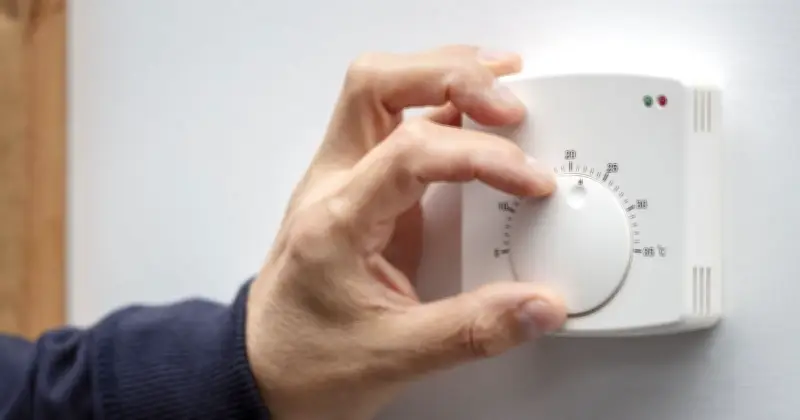
Advice from Public Health England states that homes should be heated to a minimum of 18C in winter, and this is "particularly important" for people over 65 to help stay healthy, whatever the weather outside. The health body adds that it is especially beneficial to maintain this 18C threshold overnight to protect against plummeting temperatures in the early hours.
In a review of minimum home temperature thresholds for health in winter, Public Health England said: "Heating homes to at least 18C (65F) in winter poses minimal risk to the health of a sedentary person, wearing suitable clothing."
"Daytime recommendations: The 18C (65F) threshold is particularly important for people over 65yrs or with preexisting medical conditions. Having temperatures slightly above this threshold may be beneficial for health."
"Overnight recommendations: Maintaining the 18C (65F) threshold overnight may be beneficial to protect the health of those over 65yrs or with pre-existing medical conditions. They should continue to use sufficient bedding, clothing and thermal blankets or heating aids as appropriate."
Health risks and practical tips
Keeping your home at a temperature of at least 18C day and night can help to fend off winter bugs, including colds, flu and Covid, as well as more serious health problems like pneumonia, heart attacks, strokes and depression.
If you don't want to heat your whole house, you can opt to just heat the rooms you use most often, like your living room or bedroom, and be sure to keep windows closed overnight to help retain warmth indoors. Drawing your curtains at dusk will also help to keep the heat generated inside your rooms. To ensure heat doesn't escape, use draught excluders to seal any gaps around windows and doors, and make sure any radiators aren't blocked by furniture or curtains.
In its winter advice, the Met Office says: "The cold thickens blood and increases blood pressure, and breathing in cold air can increase the risk of chest infections. So it's all the more important to ensure your home and the homes of people you look out for are the right temperature."
Advice from the Met Office, NHS and UK Health Security Agency (UKHSA) also recommends staying active during bouts of cold weather, even if you are stuck inside due to snow and ice. You should aim to get up and walk around at least once every hour, make sure you eat at least one hot meal per day, and wear several layers of light clothes rather than one thick layer.
Dr Anya Gopfert, Consultant in Public Health at UKHSA, added: "Cold weather can have a serious impact on the health of some people, including those aged 65 and over and those with pre-existing health conditions, so it is vital to check in on friends, family and neighbours who are most vulnerable."