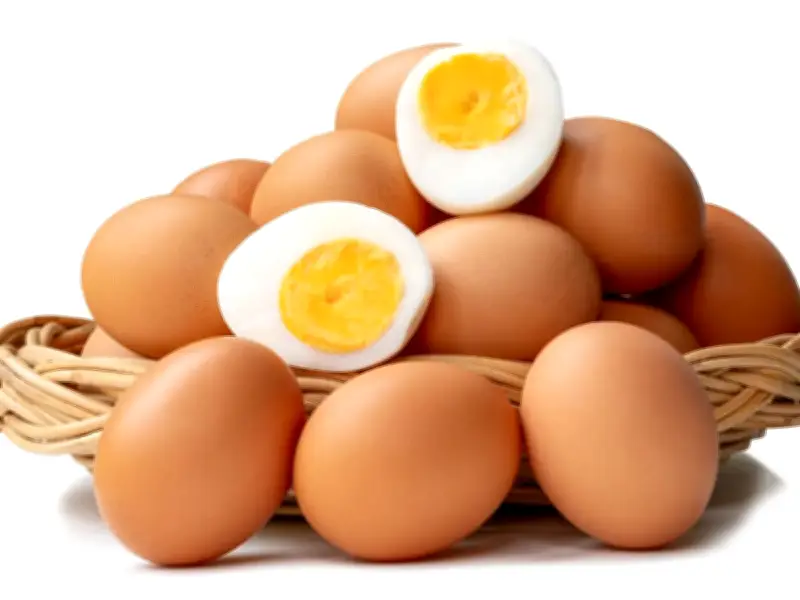
Eggs are a staple food in the UK, with 14.5 billion consumed every year. A single large egg contains about 78 calories and six to seven grams of protein, making them a popular choice for meals and snacks.
However, questions often arise about their cooking, storage and safety. Following a recent salmonella outbreak potentially linked to imported eggs, food hygiene experts at High Speed Training have highlighted how proper handling can reduce the risk of food poisoning.
Can you eat raw eggs?
Dr Richard Anderson, Director of Learning at High Speed Training, said: “Advice on whether you can eat raw eggs or lightly cooked eggs (like those with runny yolks or as used in mayonnaise) has changed over the years, but current guidance from the UK Government is that hens’ eggs with the British Lion stamp on them are safe for everyone to consume, even vulnerable groups such as pregnant women and older people.”
He added: “Eggs that come from other birds, such as geese and ducks, are less safe to eat raw as they are more likely to contain Salmonella. These types of eggs should always be cooked thoroughly before eating. The temperature that kills Salmonella in eggs is a cooking time of two minutes at 70 °C (or 30 seconds at 75 °C).”
Can you eat eggs after the best before date?
Dr Anderson said: “All eggs have a best before date of 28 days after they are laid. After this date has passed, the quality of the eggs will deteriorate, and if any harmful Salmonella bacteria is present, it could start to multiply and cause food poisoning.”
He noted that eggs can be eaten after the best before date, as the date represents food quality rather than food safety, but they will no longer be as fresh. He advised cooking them thoroughly and avoiding eating them raw or lightly cooked.
Storage and freezing tips
Dr Anderson said: “It’s best to refrigerate eggs, as this helps to extend the shelf-life of the eggs compared to storing them at room temperature. Eggs should be stored in their original box in the middle of your fridge, rather than in the doors, as the temperature is cooler in the middle.”
On freezing, he explained that whole eggs cannot be frozen in their shells as they will expand and crack. Raw eggs can be frozen if removed from the shells and whisked, while cooked eggs such as scrambled eggs or omelettes can be frozen but may alter in texture. As a general rule, cooked eggs should be used within six months.
Regarding reheating, Dr Anderson said: “The answer to this depends on how the egg was cooked in the first place. Reheating eggs will likely alter their texture, particularly if the egg has been fried or scrambled. For other types of eggs, like boiled eggs or omelettes, reheating should be absolutely fine.”