NHS guidance identifies two settings where the risk of catching Covid is higher: indoors and in crowded places. Avoiding these locations where possible could lower your chances of infection, especially as cases may rise during winter.
Latest UKHSA figures show mixed trends
According to the most recent UK Health Security Agency (UKHSA) data, reported Covid cases in England fell by 5% in the week ending October 28, dropping from 2,301 to 2,186. However, deaths that week rose by 24.6%, increasing from 69 to 86, while hospital admissions climbed by 33.5%, from 875 to 1,168.
Covid spreads "very easily" through close contact with infected people. When someone with the virus breathes, talks, coughs or sneezes, they release tiny droplets carrying the virus.
How the virus is transmitted
The NHS states on its website that you can contract Covid by inhaling these droplets or by touching contaminated surfaces and then touching your eyes, nose or mouth. It also warns that you are "more likely" to catch Covid "indoors and in crowded places".
To reduce your risk, the NHS advises regular hand washing with soap and water or using hand sanitiser throughout the day. For those at heightened risk of serious illness, the NHS recommends working from home if possible, opening windows and doors when meeting people indoors, maintaining at least 2 metres distance from others, wearing a face covering when distancing is difficult, and asking visitors to take a rapid lateral flow test before indoor meetings.
Recognising Covid symptoms
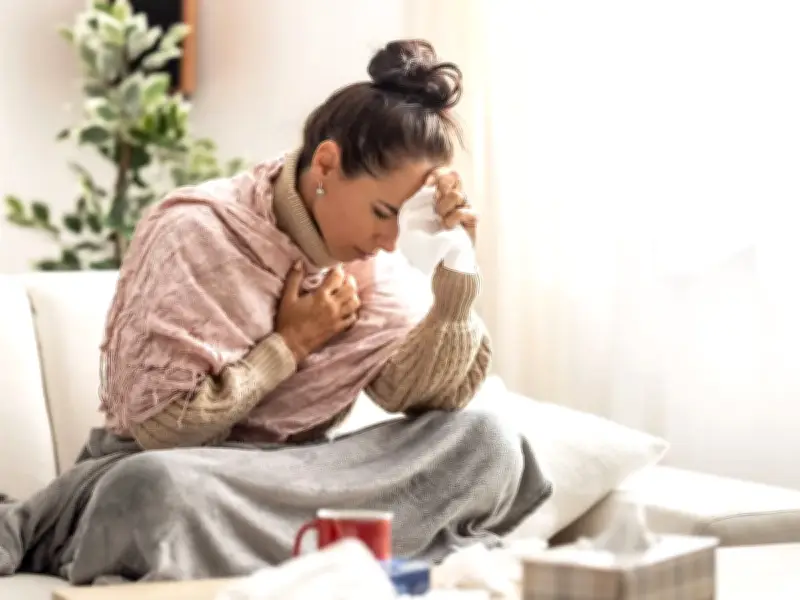
The NHS lists current Covid symptoms as a blocked or runny nose, tiredness or exhaustion, a sore throat, a new continuous cough, an aching body, shortness of breath, a loss or change to sense of smell or taste, feeling sick or being sick, a headache, diarrhoea, loss of appetite, and a high temperature.
Self-isolation is no longer mandatory for those with Covid, but the NHS recommends staying at home and avoiding contact with others if symptoms include a high temperature or if you do not feel well enough to attend work, school or other activities. You can return to normal activities when you feel better and no longer have a high temperature.