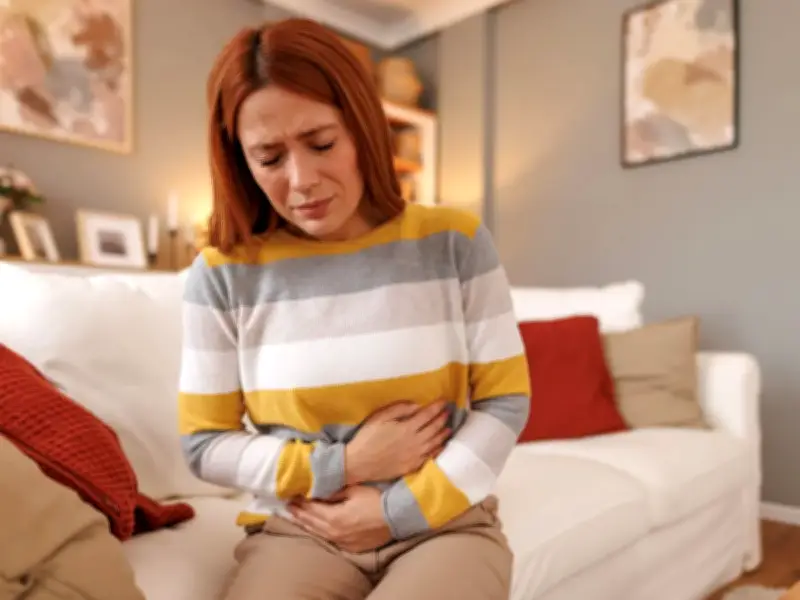
Bloating is common and usually harmless, but the NHS warns that certain symptoms alongside a swollen stomach mean you should dial 999 or go straight to A&E. These include severe stomach ache that came on very suddenly, vomiting blood or vomit that looks like ground coffee, and severe difficulty breathing.
What bloating is and its common causes
The NHS explains that bloating is where your tummy feels full and uncomfortable. It is very common and there are things you can do to ease it. However, you should see a GP if you feel very bloated, are often bloated, or it does not go away.
Common signs of bloating include your tummy feeling full or bigger than usual, tummy pain or discomfort, your tummy rumbling or making noises, or breaking wind more than usual. The most common reason is having a lot of gas in your gut, which can be caused by some foods and drinks, such as certain vegetables and fizzy drinks, or by swallowing air when you eat.
Bloating can also be caused by a problem with your digestion, such as constipation, a food intolerance, coeliac disease, or irritable bowel syndrome (IBS). Some women can also feel bloated around the time of their period. However, if bloating persists and does not go away, there can be more serious reasons, including ovarian cancer.
How to reduce bloating
The NHS recommends doing exercise regularly to improve your digestion and help prevent bloating, chewing with your mouth closed to avoid swallowing air, drinking plenty of water, eating foods high in soluble fibre if constipated (such as oats or linseeds), eating smaller, more frequent meals instead of large ones, and massaging your stomach from right to left to release trapped wind.
You should not drink lots of fizzy drinks, alcohol or caffeine in coffee and tea, eat lots of foods known to cause gas (like cabbage, beans or lentils), eat large meals late at night before bed, slouch when eating, eat lots of processed, sugary, spicy or fatty foods, or eat food you are intolerant to if you have a food intolerance.
When to seek medical help
A pharmacist might be able to help, and they can give laxatives to help treat constipation and medicines to ease the bloating. You should see a GP if you feel bloated regularly, you have tried changing your diet but keep feeling bloated, you have bloating with unintentional weight loss, or you have bloating and blood in your poo.
You should seek an urgent GP appointment or call 111 if you have bloating with vomiting, diarrhoea or constipation, bloating with a stomach ache, a high temperature or feel hot, cold or shivery, a swelling or lump in your tummy, you cannot pee, poo or fart, or you have a burning feeling in your chest caused by stomach acid travelling up towards your throat (acid reflux).
When to call 999 or go to A&E
You should call 999 or go straight to your nearest Accident and Emergency Department if you have bloating with a swollen stomach and a stomach ache that is severe and came on very suddenly, you are vomiting blood or your vomit looks like ground coffee, or you have severe difficulty breathing – you are gasping, choking or not able to get words out.
The NHS added: "Do not drive to A&E. Ask someone to drive you or call 999 and ask for an ambulance. Bring any medicines you take with you."