
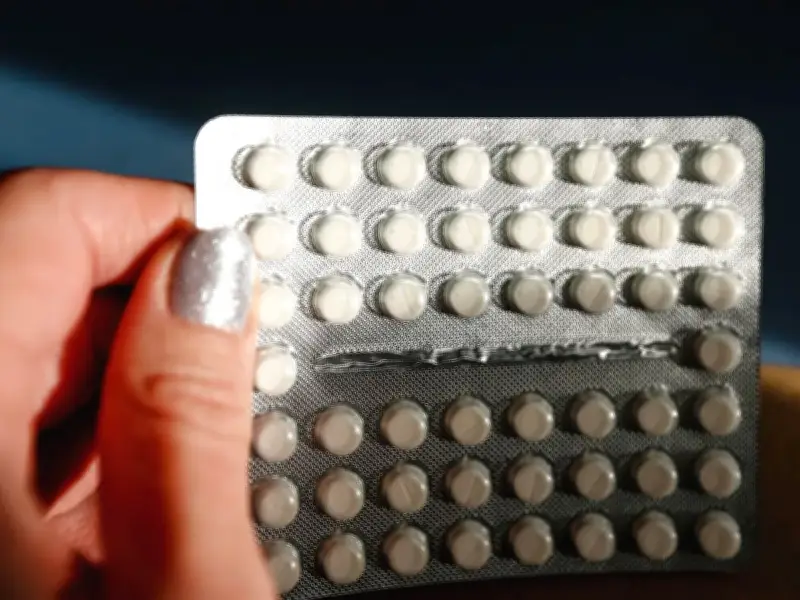
People taking statins are being advised to stop the medication and seek immediate medical help if they experience a number of specific symptoms, according to NHS guidance. Statins are prescribed to lower levels of low-density lipoprotein (LDL) cholesterol in the blood.
LDL cholesterol is widely referred to as "bad cholesterol", with statins functioning to reduce its production in the liver. High LDL cholesterol levels present serious health dangers and may heighten the risk of peripheral artery disease (PAD), strokes, heart attacks, angina, and coronary heart disease.
Common side effects and what to do
People prescribed statins generally take them once a day. As with other medications, some individuals taking statins may develop unwanted side effects, though most do not. The side effects experienced will vary depending on the specific type of statin being taken, although frequent ones include nausea, headaches, cold-like symptoms, constipation, diarrhoea, and feeling weak or dizzy.
NHS advice reads: "If you think your medicine is causing side effects, talk to a doctor. They'll check what's causing your symptoms and may prescribe another statin or change your dose."
Serious reactions requiring urgent attention
The NHS also warns about serious adverse reactions requiring urgent medical attention. Guidance for atorvastatin (Lipitor), pravastatin (Lipostat), rosuvastatin (Crestor), and simvastatin (Zocor), recommends stopping the medicine and ringing 111 or consulting a doctor straight away if you notice any of these symptoms:
- unexplained muscle pain, tenderness, weakness or cramps – these could indicate muscle breakdown and kidney damage.
- a skin rash with pink or red blotches, particularly on the palms of your hands or soles of your feet – this might be a symptom of erythema multiforme.
- the whites of your eyes turn yellow, or your skin turns yellow, although this may be less noticeable on brown or black skin, or if you have pale stools and dark urine – these could be signs of liver problems.
- severe stomach pain – this could be an indication of acute pancreatitis.
- a cough, shortness of breath, and weight loss – these could be symptoms of lung disease.
- weakness in your arms or legs that worsens after activity, or if you experience double vision, drooping eyelids, difficulties swallowing or shortness of breath - these could be signs of myasthenia gravis.
When to call 999
You should dial 999 or go straight to A&E if you develop severe breathing or swallowing difficulties. Certain other symptoms may suggest you've had a serious allergic reaction and should call for an ambulance:
- your lips, mouth, throat or tongue suddenly swell up.
- you become extremely confused, drowsy or dizzy all of a sudden.
- you're breathing at an unusually rapid pace or struggling to breathe (you may become very wheezy or feel as though you're choking or gasping for air).
- your throat feels constricted or swallowing becomes difficult.
- your skin, tongue or lips turn blue, grey or pale (for those with black or brown skin, this may be more noticeable on the palms of your hands or soles of your feet).
- a child appears limp, floppy or unresponsive in a way that's not normal for them (their head may droop to the side, backwards or forwards, or they may struggle to lift their head or focus on your face).
- someone faints and cannot be woken up.
The person who is unwell may also have a rash that's swollen, raised, itchy, blistered or peeling.




