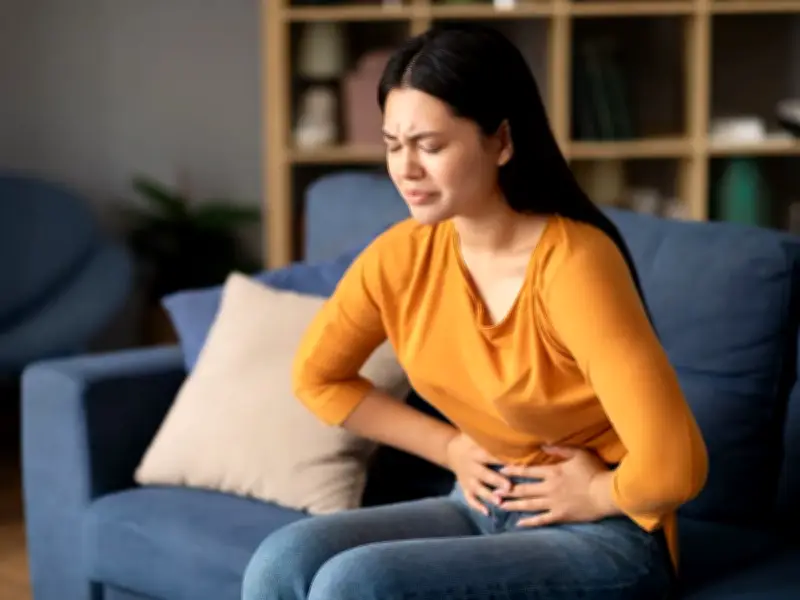
Bloating is common, but the NHS warns that certain combinations of symptoms require urgent action, including calling 999 or visiting A&E. Specifically, if bloating occurs alongside a swollen stomach and vomiting that looks like ground coffee, immediate emergency care is advised.
Common causes and typical symptoms
The NHS describes bloating as a feeling of fullness and discomfort in the tummy. It is very common, and there are steps people can take to ease it. However, a GP should be consulted if bloating is severe, frequent, or persistent.
Typical signs of bloating include a stomach that feels full or larger than normal, abdominal pain or discomfort, rumbling or gurgling sounds from the tummy, and passing wind more often than usual.
The most frequent cause is excess gas in the gut, which can result from certain foods and drinks, such as some vegetables and fizzy drinks, or from swallowing air while eating. Digestive conditions such as constipation, a food intolerance, coeliac disease, and irritable bowel syndrome (IBS) can also trigger bloating. Some women experience bloating around the time of their period.
How to reduce bloating
The NHS recommends several measures to reduce bloating: exercising regularly to improve digestion, chewing with the mouth closed to avoid swallowing air, drinking plenty of water, eating foods high in soluble fibre if constipated (such as oats or linseeds), eating smaller and more frequent meals, and massaging the stomach from right to left to release trapped wind.
People are also advised to avoid fizzy drinks, alcohol, and caffeine in coffee and tea; to limit gas-producing foods like cabbage, beans, and lentils; to avoid large meals late at night or slouching while eating; to cut back on processed, sugary, spicy, or fatty foods; and to avoid foods to which they are intolerant.
When to seek medical help
A pharmacist can offer laxatives for constipation and medicines to ease bloating. A GP appointment is recommended if bloating occurs regularly, if it persists despite dietary changes, or if it is accompanied by unintentional weight loss or blood in the stool.
An urgent GP appointment or a call to 111 is advised for bloating with vomiting, diarrhoea, or constipation; bloating with a stomach ache; a high temperature or feeling hot, cold, or shivery; a swelling or lump in the tummy; an inability to pee, poo, or fart; or acid reflux causing a burning sensation in the chest.
Emergency action: call 999 or go to A&E
Emergency care is needed if bloating comes with a swollen stomach and any of the following: a severe stomach ache that came on suddenly, vomiting blood or vomit that looks like ground coffee, or severe difficulty breathing, including gasping, choking, or being unable to speak.
The NHS advises: "Do not drive to A&E. Ask someone to drive you or call 999 and ask for an ambulance. Bring any medicines you take with you."