North East Ambulance Service (NEAS) has reported a 25% jump in serious road traffic collisions this October compared with the same month last year, prompting senior paramedics to urge the public to take extra care as the nights draw in.
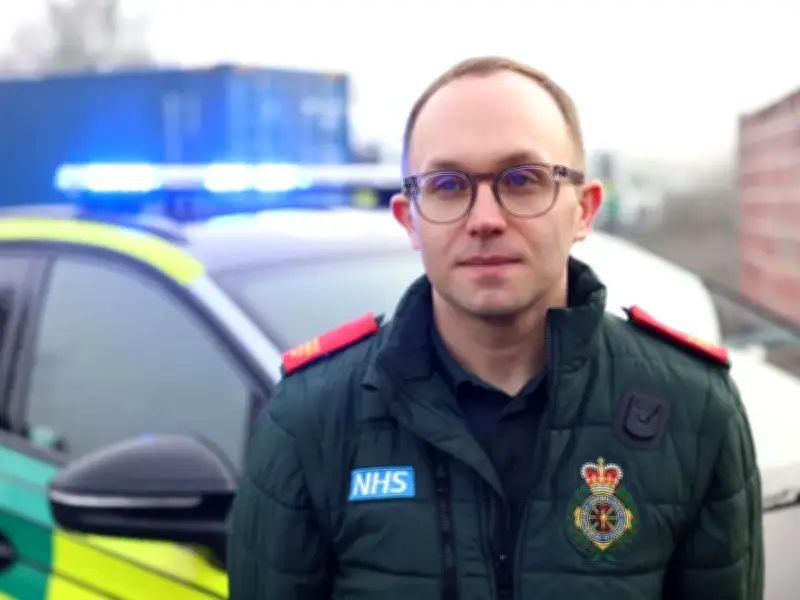
Specialist critical care paramedic Thomas Mortillaro told ChronicleLive at a training event that crews were hoping to prevent serious incidents and devastating injuries. He said: "Over the last two years there has been a 25% spike in the amount of serious collisions we have been called out to. Our plea to the public is to make sure they use the road safely."
Advice for Drivers
Mortillaro advised drivers to wear seatbelts, avoid overtaking in inappropriate places, ensure headlights are on, and keep vehicles roadworthy, including properly inflated tyres with adequate tread and enough washer fluid to see the road. He added: "What we want to see is that accidents are prevented - that would be fantastic. But, if you are to be involved in a collision, we know that if you have a seatbelt on, if you have a headrest and if your airbag inflates, then your potential for being seriously injured is going to be a lot less."
Internal statistics show that in October this year, crews were called out to more than 300 serious crashes, up from 260 a year ago and 240 in the same month in 2024.
Response to Multi-Casualty Incidents
Mortillaro explained the role of specialist paramedics: "As specialist paramedics in critical care, we can be called to some of the most seriously ill and injured patients. Our role allows us to provide advanced clinical assessment and treatment at the scene, working alongside ambulance crews and other emergency services to support patients who may have complex or life-threatening injuries." He urged the public to call 999 and provide as much information as possible, including location via What3words, and never to enter a live carriageway.
Clinical team leader Rebekah Hunter noted that winter conditions make road traffic collisions more challenging. She said: "Road traffic collisions can be challenging for our crews, particularly during the winter months when darkness, poor visibility, freezing temperatures and severe weather can make an already difficult scene even more complex."
10-Second Triage Procedure
NEAS deputy head of emergency preparedness, resilience and response, Andy Sessford, highlighted the use of 10-second triage at multi-casualty incidents. He said: "When crews arrive at a serious road traffic collision involving multiple casualties, there can be a lot happening at once. We need to quickly establish how many patients are involved, assess their condition and identify who needs our help most urgently." The procedure was introduced following a national audit of how emergency services respond to multi-casualty incidents, allowing other first responders to gather and report vital information quickly.
NEAS is also reminding people to avoid driving while distracted, overly tired, or under the influence of alcohol or drugs.