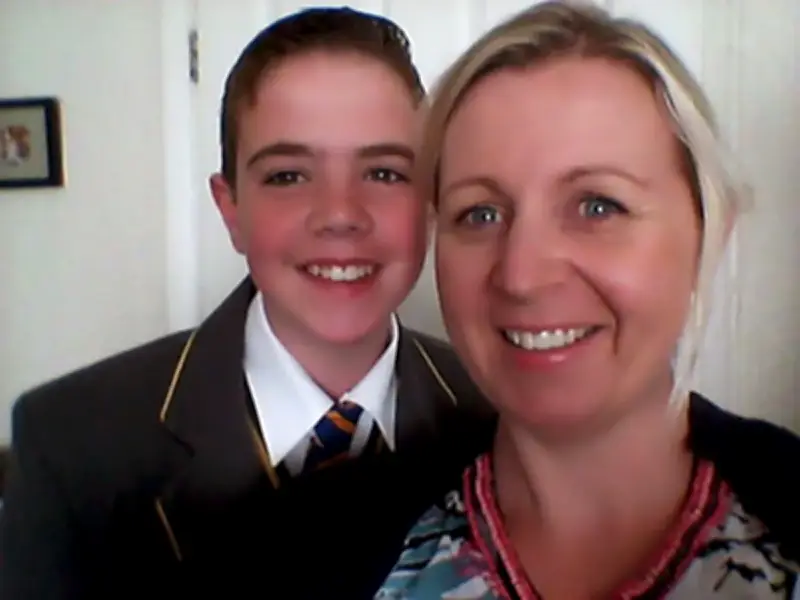
Beth Reynolds, a 47-year-old leadership and management coach from Cardiff, is sharing the story of her son Peter Baldwin, who died at 13 from undiagnosed Type 1 diabetes, to raise awareness of the condition's warning signs ahead of World Diabetes Day. She has promised Peter that "his death would not be in vain" and that she would "try to save as many other kids" as she could.
Peter's symptoms and the GP visit
Looking back, Beth says Peter showed "absolutely all" of the major warning signs for Type 1 diabetes, known as the four Ts: toilet, thirsty, tired, thinner. However, his flu-like symptoms at the time "masked" what was really happening. On New Year's Eve in 2014, Beth took Peter to a GP, where he was diagnosed with a chest infection and given antibiotics. Over the next 24 hours, his condition became critical.
On January 1, 2015, Beth called 999. A first responder "took one look" at her son, put on an oxygen mask, and pricked his finger to say with almost certainty that he had Type 1 diabetes and was in diabetic ketoacidosis (DKA). DKA is a life-threatening medical emergency that occurs when the body breaks down fat due to insufficient insulin to break down glucose for fuel. It causes harmful chemicals called ketones to build up, making the blood dangerously acidic, which can lead to organ shutdown and complications affecting the brain, heart, or lungs, and even death.
The final days
Peter was rushed to the University Hospital of Wales, where he fell into a diabetic coma and died five days later on January 6. Beth recalls that Peter suffered a cardiac arrest, was resuscitated during surgery, fought "numerous infections," and ended up on dialysis. A scan of his brain showed "no activity," and doctors told Beth and Peter's father, Stuart, that there was "nothing more they could do."
Beth remembers Peter as a "super happy child" and the "most amazing young man" with a "bright future." There was no history of diabetes in the family, and Peter had "no issues and no long-term health conditions."
Raising awareness and saving lives
Type 1 diabetes is an autoimmune condition affecting more than 350,000 people in the UK, according to Diabetes UK. It occurs when the body's immune system attacks and destroys the beta cells in the pancreas that produce insulin, leaving the body unable to produce any itself. There is no prevention and currently no cure, and those with the condition treat it for life with insulin injections or an insulin pump.
In 2023, Beth organised a national campaign called Rewrite Peter's Story, sending a box of resources to "every single GP practice in Wales" to highlight the warning signs. Colette Marshall, chief executive of Diabetes UK, said: "A Type 1 diabetes diagnosis should never start with a medical emergency. Yet every year, hundreds of UK families face the heartbreaking reality of seeing their children reach crisis point before anyone recognises the condition. This World Diabetes Day (on November 14), we're urging everyone to learn the 4Ts and share the signs with others."
Beth says she has counted 23 people "saved" by sharing the warning signs since her family started sharing Peter's story more than a decade ago. She said: "I've got to cling on to the 13 years and 27 days of memories of Peter. I talk to Peter's sister and brother about him all the time... and I tell them that if you've got a voice you've got to use it, because Peter can't speak for himself any more. So I'm doing this for him."