A West Lothian mother has urged Scots to donate blood after her premature baby daughter required two life-saving transfusions, as the Scottish National Blood Transfusion Service (SNBTS) warns of a “significant drop” in stocks.
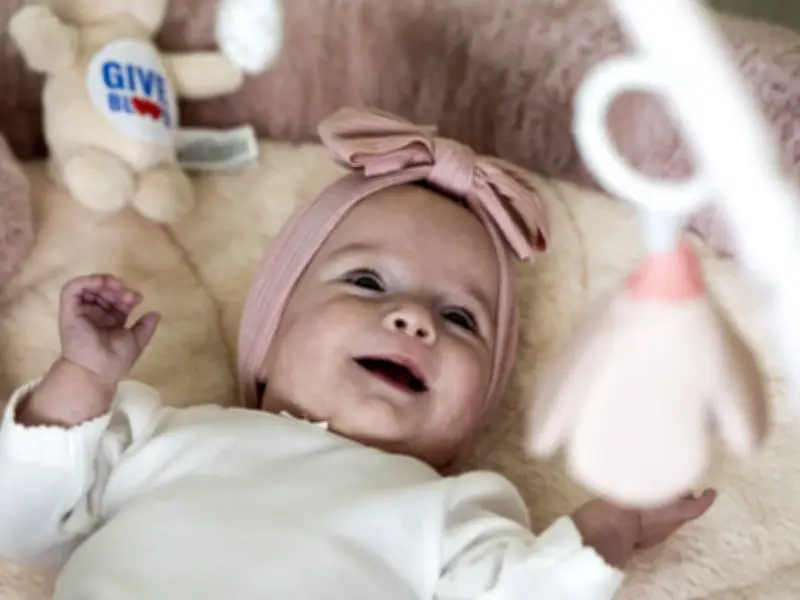
Caitlyn Stewart’s daughter Millie was born at just 28 weeks in February, weighing only 670 grams. The baby spent 10 weeks in neonatal intensive care at Queen Elizabeth University Hospital, where she received her first blood transfusion when she was just four days old. Her second transfusion followed in March, with just 23mls of donated blood making a “life-saving difference”.
Mother’s gratitude to donors
Stewart, from West Lothian, said: “Millie was born prematurely at just 28 weeks weighing only 670 grams. She had her first blood transfusion at four days old, her second followed in March with just 23mls of donated blood making a life-saving difference.”
“Thanks to blood donors, Millie is now growing stronger every day. We will forever encourage people to give blood and be forever grateful to people who do.”
Blood supply under pressure
The plea comes as SNBTS reports that blood supplies have been under pressure for several months. Just 1.7 per cent of the Scottish population currently donates blood, with four of the eight blood groups now below desired levels. The groups facing shortages are O Positive, O Negative, A Positive and B Negative.
SNBTS says it needs around 450 donors every day to meet demand from hospitals across Scotland. Autumn is traditionally a challenging period for blood stocks, with seasonal illnesses, the return of the new academic term and darker evenings all contributing to fewer people coming forward. Scottish hospitals are also currently seeing high demand for blood products.
Appeal for regular donors
Debbie McNaughton, Associate Director Donor & Transport Services at SNBTS, said the service was appealing for people to become regular donors. She said: “With only 2% of the population in Scotland regularly giving blood, we have a shortage of donors. This means the blood supply has been under pressure for several months.”
“We work to ensure that blood, tissues and cells are available across Scotland 24 hours a day, every day of the year. However, autumn is traditionally a challenging time for the blood supply, with seasonal illnesses, the new academic term and darker evenings meaning fewer donors are coming forward. We are also currently seeing high demand for blood products from Scottish hospitals.”
SNBTS says there are currently 90,280 blood donors in Scotland, but half of them donate only once a year. As donors can give blood every 12 weeks, the service is urging people to consider donating up to three times a year.
McNaughton said: “In order to meet demand for blood products in NHS Scotland, we aim to welcome 450 donors every day. However, a spike in demand for one or more blood groups, combined with fewer donors coming forward, means we have been in a declining stock position for several months. This means it is important donors come forward now, and in the coming weeks.”
Younger donors needed
SNBTS has been contacting donors directly, advertising across Scotland and reminding people who have not donated so far this year of the vital role they can play. The service is also particularly keen to attract younger donors, as Scotland's donor base continues to age. The number of donors aged under 30 has fallen from nearly a third of the donor base a decade ago to around a sixth today. People can begin donating blood from the age of 17.
McNaughton said: “It is very important new donors come forward now. For several years we have seen our donor base aging in Scotland, and this gives us cause for concern.”
“You can start giving blood aged 17, so we wish to remind young adults in Scotland that giving blood only takes one hour of your time. Blood donation is one of the simplest ways people can make a real difference.”
“We need more people to take that first step and become donors. If you're feeling healthy and well, there's a good chance you're eligible to donate blood. A strong and resilient blood system depends on more people coming forward, not just when the need is heightened, but as a regular part of their routine.”