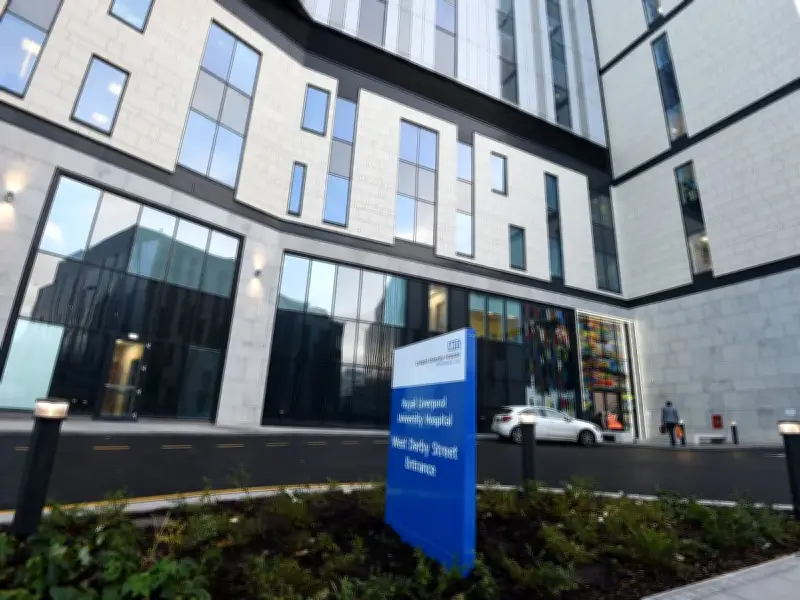
Health bosses have responded after Merseyside doctors said they are “at the brink of burnout.” The British Medical Association (BMA) has warned that staff shortages in hospitals across the region and in Cheshire are a “catastrophe waiting to happen.”
Funding restrictions and their impact
Earlier this year, doctors warned that financial restrictions imposed by NHS England on Integrated Care Boards (ICBs) – the NHS organisations which plan and manage healthcare services in a region – and NHS trusts are destabilising services. As a result of these funding restrictions, the ICB in Cheshire and Mersey has introduced recruitment freezes, plans to reduce staffing levels despite significant workload demands, limits or bans on agency workers, and imposed a unilateral reduction of overtime rates.
As a formal dispute has now been entered into, the Department of Health and Social Care said it was committed to supporting staff through the issue. In a BMA survey, 88% of respondents said they believe that funding cuts are seriously harming the delivery of safe patient services.

Doctors' concerns and personal accounts
The BMA wrote to the previous Secretary of State asking him to address their concerns, but the response did not provide reassurance that patient safety, staff wellbeing, and service continuity would be protected under the current funding and enforcement arrangements.
One doctor working in the Cheshire and Merseyside region who qualified two years ago said: “There just aren’t enough doctors working in our hospital and it feels very dangerous.
“On a typical night we are so short-staffed that we are dealing with emergencies on our own on opposite sides of the hospital when we are meant to do so as a team.
“When there aren’t enough of us on shift it’s hard to get to all the very unwell patients and manage their emergencies safely.
“Patients are slipping through the cracks and becoming very unwell as a result, which could be avoided with more staffing. To prevent critical incidents, we need to fill rota gaps, but the only way to do that is to pay doctors properly.
“If we don’t, it’s like a catastrophe waiting to happen.”
Official responses and next steps
Dr Kartik Goyal, co-chair of the BMA’s Mersey regional resident doctors committee, added: “Resident doctors in the Cheshire and Merseyside can’t be clearer: enough is enough.
“We are pushing ourselves to the brink of burnout, going above and beyond our normal hours trying to keep our patients safe.
“The ICB has rewarded us with cuts to overtime rates that have left shifts unfulfilled and dangerous gaps in rotas.
“We must return to safe staffing levels and that means a reversal of these cuts that not only risk patient safety, but also the wellbeing of all resident doctors in the region.”
A Department of Health and Social Care spokesperson said: “Patient safety will always be this government’s priority and we are committed to supporting NHS staff while ensuring taxpayers’ money is used to deliver the best possible care.”