A student living at St Andrews University has been diagnosed with meningococcal disease, a severe bacterial infection that can lead to meningitis. The case was recently confirmed at the university.
Close contacts identified and offered medication
Close contacts of the individual have been identified and offered medication in line with national guidance. The Health Protection Team is working with the University of St Andrews to support affected students and ensure appropriate precautionary measures are in place.
Consultant in Public Health Josie Murray said: "The Health Protection Team is working closely with the University of St Andrews to support the affected students and ensure appropriate precautionary measures are in place. The risk to other students and to the wider local population is assessed as being low."
Vaccination offer for new students
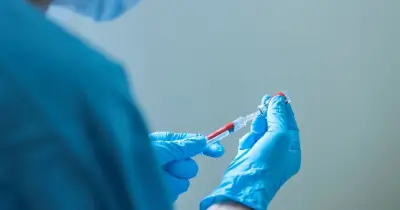
Murray added: "This year, anyone under the age of 25 who has started university for the first time is being offered vaccination against MenB. The offer is time-limited with first doses available until December 31, 2026 and second doses until March 31, 2027."
Early signs of meningococcal disease often look like a common cold or flu with fevers, headaches, fatigue and vomiting. The condition can rapidly worsen.
Impact and further information
Meningococcal disease can also affect the bloodstream, causing sepsis or blood poisoning, which can happen with or without meningitis. The Record has approached St Andrews University for comment. For more information, or to find out how to arrange vaccination, visit: www.nhsfife.org/menb.