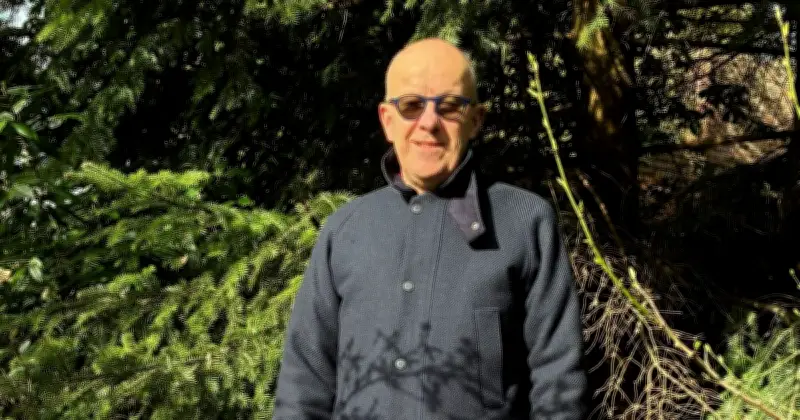
Terence Moore, a 75-year-old retired HR manager from Chester, has survived an extraordinary series of life-threatening health events over the past two decades, including three cardiac arrests, two bouts of a rare cancer, a stroke, deep vein thrombosis (DVT), and a heart attack. He attributes his survival to a positive attitude and the care he received from the NHS.
First Health Battle: DVT and Stroke
In autumn 2005, Moore felt a sharp pain in the back of his leg while walking to work. Initially dismissing it, he later developed lung pain and, at a nurse friend's urging, went to A&E. He was diagnosed with DVT that had spread to his lungs—a condition with a survival rate of only one in three. After treatment with warfarin, he recovered but soon faced another crisis.
In 2006, Moore began experiencing severe headaches and memory loss. At work, he couldn't remember how to use his computer. At the hospital, he could only recall three people in his life. He was diagnosed with a cerebral venous thrombosis stroke on the left side of his brain. Recovery took a full year. "If it had been on the right, which is responsible for movement, I might have been left in a wheelchair," he said.
Cancer Diagnosis and Cardiac Arrests
In 2013, Moore's legs, wrists, and ankles began to swell. He went to A&E, where a doctor who had worked at the National Amyloidosis Centre in London recognised the rare condition AL (light) amyloidosis. This disease involves misfolded proteins forming amyloid fibrils that deposit in organs, potentially causing life-threatening damage if untreated.
Moore underwent a stem cell transplant with high-dose chemotherapy to destroy abnormal bone marrow cells before reintroducing healthy ones. The treatment put him into remission but triggered three cardiac arrests in one day and a separate heart attack—rare but known complications. He spent 46 days in hospital. "Although it was a difficult and trying time, I don’t regret it for a moment as it gave me 12 years in remission," he said.
Second Cancer Battle and Current Remission
In 2024, the amyloidosis returned. Moore began treatment with four different drugs at The Christie hospital in Manchester. His consultant, Dr Faye Sharpley, adjusted his regimen after he experienced side effects from steroids, including hypertension and sleep problems. He responded well and was reduced to a single drug. He is now in remission again, with treatment due to finish in February 2026.
Moore praised Dr Sharpley: "She always saw me as a full person and not just a diagnosis, which made all the difference." He is currently receiving treatment at The Christie NHS Foundation Trust’s local cancer treatment centre in Macclesfield, Cheshire.
Writing a Book to Inspire Others
Moore is now writing a book about his health journey to spread hope and positivity. "I’ve had more hospital appointments than I can count. I have a really positive attitude, which definitely makes a difference," he said. "I’m so grateful to the NHS for saving my life so many times."
His advice to others facing adversity: "A positive attitude can really make a difference. It certainly has for me."