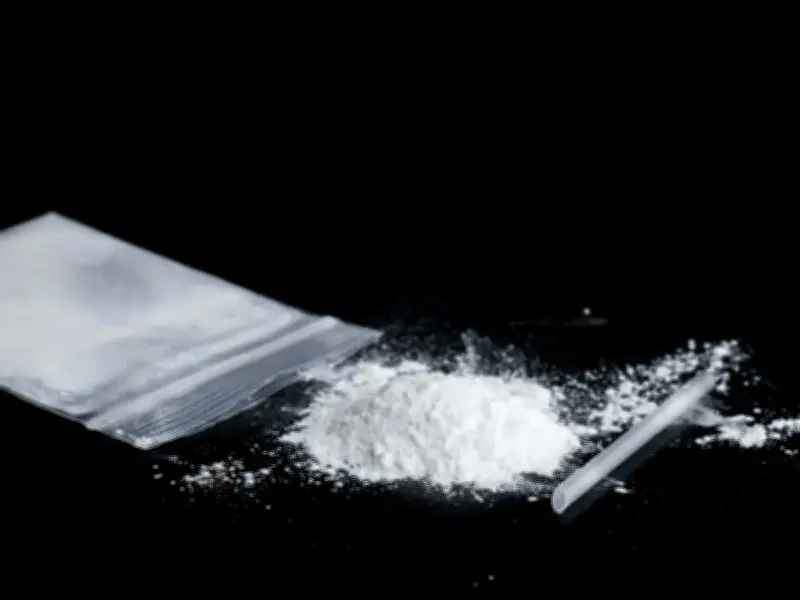
Rising ketamine abuse among children and young people in the UK is causing devastating and permanent bladder damage, with some youngsters left needing nappies for the rest of their lives. Children as young as 12 and 13 have been using the Class B drug, commonly used as a horse tranquiliser, leading to severe bladder problems.
Medics warn of rising ketamine use
Medics say cannabis and alcohol remain more popular, but ketamine is "probably up into third place" and has been causing "devastating" damage. The warning follows Stacey Dooley's four-month investigation with a rehab centre in Stockport for her BBC documentary 'Down the K Hole'. One former user warned: "There's a tsunami coming and no one's prepared for it!"
Baroness Alison Lowe, deputy mayor of West Yorkshire, is warning the effects of taking ketamine can be "catastrophic" and tackling it is one of her priorities. Speaking on BBC Radio Leeds, she said: "The impact on the body is catastrophic - it's very cheap and it's very popular. Ketamine is the next big thing, and we really need children and young people to understand the dangers.
"It can kill you but the impact on the body is so catastrophic. It's a national problem, it's very cheap. Ketamine is a nasty drug… it wrecks the bladder, it can kill, and once that damage is done to the bladder, it is permanent and we will have young people literally in nappies for the rest of their life."
Clinic reports rapid escalation
In 2025, a dedicated NHS clinic at Alder Hey Hospital in Liverpool was opened to deal with those under 16 damaged by the drug, believed to be the first of its kind in the UK. Many children at the clinic had been taking ketamine for a year or more, starting when they were aged 12 or younger. Doctors saw one young patient in 2023, nine in 2024, and then "a rapid escalation" in 2025, which led them to open the clinic in May.
Of the first 60 patients seen, 43 were girls, with referrals coming every week from GPs or emergency departments in Cheshire, Merseyside and nearby areas. Ketamine can affect the entire urinary tract, including the kidneys and ureters. Symptoms include an urgent and frequent need to urinate, which can be very painful and result in blood-stained urine.
Although stopping ketamine use can help, sometimes the damage can be so serious that the bladder needs surgical repair or even removal. Some users experience abdominal pain and spasms, or "K cramps", and there are reports of liver damage among heavy users.
Deprivation and adverse experiences
Prof Rachel Isba, who runs the clinic, told the BBC that users "describe this feeling of weeing over broken glass. It's very painful." In a report a year after opening, the clinic revealed more than 70% of children and young people came from England's most deprived communities. A massive 72% had experienced adverse childhood experiences, 20% had been in care, and 27% had ADHD and/or autism.
The average age at referral was just 14.5 years, with ketamine use often starting around age 13. Half of patients also reported using other substances. Harriet Corbett, Consultant Paediatric Urologist at Alder Hey, said: "Over the past few years, we have seen an escalating number of children and young people referred to Alder Hey with bladder symptoms caused by non-prescribed ketamine use…
"The damage caused by ketamine can be devastating. It can affect the bladder wall, causing ulceration and fibrosis, and the effects can be irreversible. Young people can experience chronic bladder pain and incontinence and, in the most severe cases, may go on to require major surgery or dialysis. This problem is preventable. Understanding more about the young people who are presenting to us is an important step towards preventing further harm."
An anonymous 2023 survey of more than 13,000 secondary school children from 185 schools across England reported that 11% of 15-year-olds had been offered ketamine at some point. The study, conducted for NHS England, suggested that ketamine use among schoolchildren had more than doubled over the previous decade, from 0.4% in 2013 to 0.9% in 2023.